The vibrant, diverse landscape of Korea food and cooking classes in Korea reflects centuries of culinary tradition intertwined with modern influences. This dynamic blend has sparked a global appetite for authentic Korea cuisine, leading to a surge in popularity for both traditional and innovative cooking techniques. However, navigating the gap between these two worlds can be challenging for both locals and visitors. This article examines the rich heritage of Korea cooking, exploring its foundational techniques and tools, while also shedding light on the contemporary adaptations that have emerged, particularly within Korea food and cooking classes in Korea. By comparing these methods, we uncover the essence of Korea culinary culture and its evolving role in global gastronomy.
- Understanding Traditional Korea Cuisine's Roots
- Ingredients: Authentic vs Modern Korea Food
- Preparation: Hand-on Cooking Classes Korea
- Cooking Techniques: From Stovetops to Ovens
- Regional Variations: Korea's Diverse Flavors
- Health and Diet: Traditional vs Modern Perspectives
- Preservation and Innovation: Korea Food Evolution
- Cultural Significance: Cooking's Role in Korea Life
- Korea Cooking Classes: Experiencing Authenticity
Understanding Traditional Korea Cuisine's Roots

The roots of Korea cuisine run deep, shaped by a unique blend of geographical, historical, and cultural factors. In exploring traditional Korea food and cooking classes in Korea, one quickly discovers the influence of the country's diverse landscapes and climate on its culinary traditions. The abundance of seafood along the coastlines and the hearty, nourishing stews that result from it, like the popular kimchi jjigae, reflect the nation's coastal heritage.
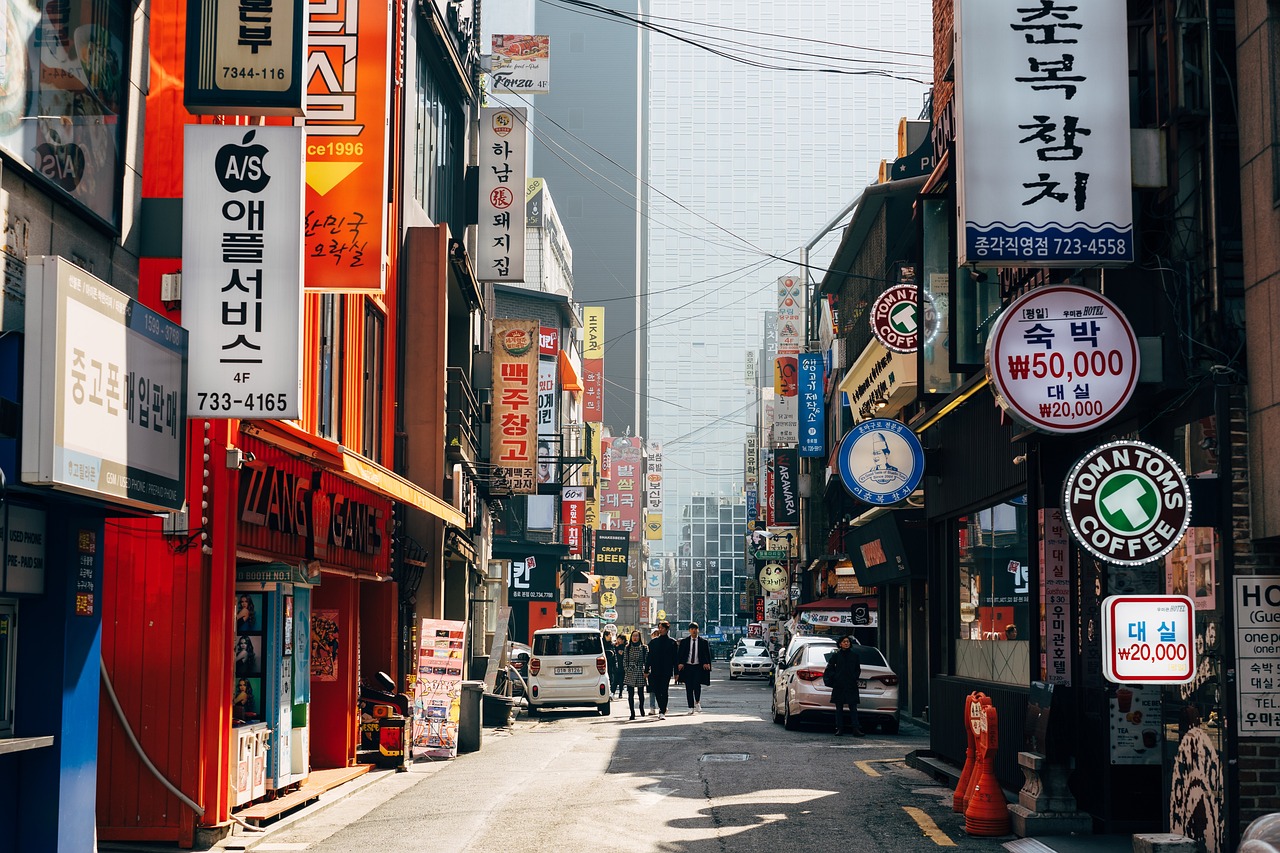
Marketplaces like Gwangjang Market in Seoul and Namdaemun Market offer a sensory journey into traditional Korea food culture. Here, vendors prepare and sell a variety of dishes that have been passed down through generations, from bulgogi skewers grilled over hot coals to steaming bowls of bibimbap. These markets serve as living museums of Korea food, allowing visitors to not only taste but also observe the meticulous preparation and presentation that define traditional cooking techniques.
Local Korea food tours and street food events near me provide an immersive experience, offering insights into the everyday eating habits and preferences of Koreas. Street food vendors, a staple of Korea urban life, serve up a plethora of dishes, from the spicy gochujang-infused kimbap rolls to crispy, pan-fried pajeon (seafood pancake). These culinary encounters highlight the adaptability and evolution of Korea cuisine, as international influences have subtly enriched traditional recipes, creating a modern Korea food scene that pays homage to its roots while embracing the present.
Understanding traditional Korea cuisine is not merely about tasting historical dishes; it involves appreciating the culture, history, and people that have shaped them. Korea food and cooking classes in Korea offer a unique opportunity to learn these recipes, techniques, and stories directly from expert cooks who have preserved these culinary traditions. Whether participating in a local street food tour or enrolling in a specialized cooking class, engaging with Korea food near me allows visitors to connect deeply with the country's rich culinary heritage.
Ingredients: Authentic vs Modern Korea Food

Korea food and cooking classes in Korea offer a unique window into the country's culinary past and present. When comparing traditional and modern Korea cooking techniques, ingredients play a pivotal role in shaping the distinct flavors and textures that define Korea cuisine. While some authentic Korea dishes rely on locally sourced, seasonal ingredients like fresh seafood from the coast, modern Korea food has evolved to incorporate international influences, making it more accessible to global palates.
In traditional Korea cooking, ingredients like kimchi, bulgogi, and soju hold cultural significance. These staples are deeply rooted in Korea food history and are often prepared using time-honored methods. Making kimchi involves a meticulous process of fermenting vegetables with a blend of spices, ensuring a complex, tangy flavor. Modern Korea food, on the other hand, showcases a fusion of traditional elements with international culinary trends. Korea street food vendors and gourmet restaurants near me now offer creative twists on classic dishes, such as incorporating exotic spices and exotic vegetables not traditionally found in Korea markets.
The same-day Korea meal preparation classes in Korea often highlight these dualities. Students learn both traditional and modern techniques, allowing them to recreate authentic Korea flavors while also experimenting with innovative combinations. These classes provide insight into how Korea food has evolved while preserving its rich history. A chef might teach students how to prepare a classic bulgogi stew, emphasizing the balance of sweet, savory, and spicy flavors, and then introduce variations using locally sourced herbs and modern cooking techniques.
By engaging in Korea food and cooking classes in Korea, participants can gain a deeper appreciation for the country's culinary diversity. They learn that while modern Korea food embraces globalization, it never loses sight of its roots. The events and experiences near me, rich in Korea food and culture, offer a chance to taste both the past and the present, making each meal a journey through Korea history and innovation.
Preparation: Hand-on Cooking Classes Korea

In the heart of Seoul, Korea food and cooking classes Korea offer an immersive experience into the country's rich culinary heritage. These hands-on classes, led by experienced Korea food tour guides, provide a unique opportunity to examine beyond the familiar and explore the nuanced techniques that have made Korea cuisine a global sensation. Unlike the convenience of packaged meals or even restaurant dining, participating in these classes allows students to engage directly with the ingredients, tools, and methods that have shaped Korea food and cultural heritage for centuries.
The preparation aspect of Korea cooking classes is particularly enlightening. Students learn the art of chopping vegetables with precision using traditional tools like the jangga (wooden cutting board) and hoop (chef's knife). This hands-on practice not only hones knife skills but also instills an appreciation for the importance of fresh, locally sourced ingredients, a key tenet of Korea food and nutrition facts. The class might focus on preparing kimchi, a staple side dish known for its probiotic benefits, from scratch. The process involves careful layering of salted and fermented vegetables, a technique that has evolved over time and remains a cornerstone of Korea food culture.
The modern twist on traditional methods is another fascinating aspect. While the core principles remain intact, Korea food and cooking classes Korea often incorporate innovative techniques and ingredients to cater to contemporary palates. bulgogi (marinated grilled beef) might be prepared using a mix of traditional and modern marinades, or kimbap (Korea sushi rolls) could be demonstrated with a variety of international fillings, reflecting the global influences that have enriched Korea street food over the years. This blend of tradition and innovation not only reflects the dynamic nature of Korea food but also its ability to adapt to new tastes and trends.
Safety and sustainability are also integral parts of these cooking classes. Students learn about food safety regulations and proper hand hygiene, ensuring that the preparation techniques taught align with modern health standards. The classes often emphasize the importance of sustainable practices, such as proper food storage and minimizing waste, reflecting a deep respect for the environment and its role in Korea food and cultural heritage. These classes, then, are not just about mastering recipes; they are about embracing a holistic approach to food, one that respects tradition, innovation, health, and the environment.
Cooking Techniques: From Stovetops to Ovens

In the vibrant culinary landscape of Korea, the evolution of cooking techniques is a fascinating journey that reflects both tradition and modernity. Korea food and cooking classes in Korea offer a unique lens into this transformation, where ancient methods meet contemporary innovations. One notable shift is the transition from stovetops to ovens, a change that has significantly impacted cooking styles.
In traditional Korea cuisine, stovetops were the primary heat source, with techniques like grilling (gogig) and stewing (jjigae) being prevalent. These methods, often done over direct heat, are still revered for their ability to lock in flavors. However, with the advent of modern conveniences, ovens have become increasingly popular among Korea chefs and home cooks alike. The introduction of electric stoves and modern ovens has facilitated the preparation of dishes that were once challenging to replicate without specialized equipment. Korea bulgogi (grilled marinated beef) can now be cooked with precision in an oven, ensuring a juicy, evenly seared result.
Affordable Korea cooking classes in Seoul, led by licensed local chefs, are playing a pivotal role in this culinary evolution. These classes not only teach students the fundamentals of traditional techniques but also equip them with modern adaptations. Participants learn how to use ovens effectively to recreate classic Korea dishes while incorporating efficient, time-saving methods. These classes often focus on safety and sanitation, crucial aspects of food preparation, especially when dealing with raw seafood, a staple in many Korea dishes. By combining traditional wisdom with modern practices, top-trusted Korea food educators are preserving the nation's culinary heritage while preparing students for the contemporary kitchen.
Regional Variations: Korea's Diverse Flavors

Korea's culinary landscape is a vibrant mix woven with regional threads, each reflecting the unique history and geography of its respective area. As you move from the bustling streets of Seoul to the tranquil coastal villages, the flavors and cooking techniques evolve, creating a diverse gastronomic experience. These regional variations are a sign of the adaptability of Korea cuisine, which has embraced both local ingredients and international influences over the centuries.
The bustling markets of Seoul, such as Gwangjang and Namdaemun, offer a cornucopia of traditional Korea street food. Here, you'll find the iconic bulgogi (grilled marinated beef) and kimchi (spicy fermented cabbage) being prepared by licensed Korea chefs near me. The city's vibrant food scene also showcases modern twists on classic dishes, with innovative chefs experimenting with global flavors. In contrast, the coastal regions, like the island of Jeju, are known for their fresh seafood and unique culinary traditions. Local kimbap (Korea sushi rolls) are made with locally sourced ingredients, reflecting the island's distinct flavor profile.
The beauty of Korea food and cooking classes Korea lies in their ability to provide a gateway to these diverse regional experiences. Nearby korea cooking workshops often highlight specific dishes and techniques unique to each area. These classes, which can be found throughout the country, from bustling metropolitan centers to tranquil villages, offer an affordable and immersive way to explore Korea's culinary heritage. Participants not only learn to prepare authentic Korea dishes but also gain insights into the cultural significance and historical context behind each flavor and cooking method. By participating in these classes, you can gain a deeper appreciation for the rich mix of Korea cuisine and its regional variations.
Health and Diet: Traditional vs Modern Perspectives

The evolution of Korea cuisine reflects both the country's rich cultural heritage and its dynamic modern society. Traditional Korea cooking techniques, honed over centuries, prioritize fresh, seasonal ingredients and a balance of flavors. These methods, often passed down through generations, include fermentation, pickling, and grilling, as evidenced in the bustling markets of Seoul and Gwangjang Market, where locals and tourists alike indulge in the vibrant street food culture.
In contrast, modern Korea cuisine is influenced by globalization and international culinary trends. Today, nearby Korea cooking workshops offer a blend of old and new, where chefs merge traditional ingredients with innovative techniques. This modern approach emphasizes not only taste but also presentation, with gourmet restaurants showcasing artistic dishes that pay homage to the past while embracing contemporary tastes. However, as Korea food safety regulations become more stringent, relying on reliable Korea food safety advice is crucial. The use of raw seafood, for instance, requires strict adherence to hygiene protocols to prevent foodborne illnesses, a concern that has gained prominence in recent years.
The health and diet landscape in Korea has shifted accordingly. Traditional Korea meals, known for their whole grains, vegetables, and balanced protein sources, are being complemented by modern twists that cater to diverse dietary needs. Vegan and vegetarian options are increasingly popular, reflecting a growing awareness of plant-based nutrition. This shift not only reflects changing consumer preferences but also aligns with global trends promoting sustainable and healthy eating habits. As Korea food and cooking classes Korea continue to gain popularity among locals and visitors alike, understanding the interplay between tradition and modernity is essential for anyone seeking to fully appreciate the depth and diversity of Korea culinary experiences.
Preservation and Innovation: Korea Food Evolution

The evolution of Korea cuisine is a fascinating blend of preservation and innovation, reflecting the country's rich history and dynamic modern influences. In traditional Korea cooking, techniques like fermentation and pickling preserved foods, ensuring year-round access to various flavors. Kimchi, for instance, is not just a side dish but a sign of Korea culinary ingenuity, with unique regional variations showcasing the preservation of local produce. Modern Korea chefs, while honoring these traditions, incorporate innovative methods and ingredients. They might use advanced fermentation techniques to elevate the taste of kimchi or experiment with global culinary trends, creating dishes like fusion bulgogi that seamlessly marry Korea and international flavors.
Korea food and cooking classes in Korea offer a unique lens into this evolution. These classes often provide insights into traditional methods using best Korea cooking utensils, such as the iconic metal pans for bibimbap or the wooden bowls for making homemade kimchi. They also introduce modern twists, teaching students how to create gourmet versions of street food favorites. A class might show how to make a premium kimchi pizza or elevate the classic kimbap into a gourmet roll with exotic fillings. This blend of tradition and innovation reflects the dynamic nature of Korea food culture, accessible to all through these immersive classes.
Cost-effective Korea street food tours are another excellent way to experience this culinary evolution. These tours often take participants to vibrant markets like Gwangjang or Namdaemun in Seoul, where they can sample a variety of traditional and modern dishes. Tour guides, many of whom are local chefs, provide insights into the history and preparation of each dish. They might explain the art of grilling bulgogi to perfection or demonstrate the intricate process of making soju, Korea's national spirit. These tours offer an affordable and immersive way to explore the country's diverse food scene and understand the preservation and innovation that have shaped Korea cuisine.
Cultural Significance: Cooking's Role in Korea Life

Korea food and cooking classes in Korea offer a unique window into the country's rich culinary heritage, where traditional methods meet modern innovation. Cooking matters in Korea life, reflecting not only historical practices but also the nation's diverse regional cultures and its evolving global identity. In Seoul's vibrant markets like Gwangjang and Namdaemun, the sights and smells of traditional Korea food preparation fill the air, showcasing the country's deep culinary roots.
The cultural significance of Korea cooking lies in its ability to connect generations and communities. Cooking classes, a growing trend in Korea, not only teach recipes but also pass down stories, traditions, and family secrets. A class on kimchi making may reveal the diverse regional variations and the importance of fermentation in Korea food history. Similarly, kimbap rolling becomes a communal activity, where students learn the art of balancing flavors and textures, echoing the spirit of sharing meals together. These classes provide a deeper understanding of Korea food culture, moving beyond mere ingredients and techniques to explore the emotions, rituals, and social connections tied to meals.
In contrast, modern Korea culinary techniques have been influenced by globalization and international tastes. Korea food delivery services, now a common sight in cities across Korea, offer quick access to traditional dishes with a contemporary twist. This blend of old and new ensures the preservation of Korea food's history while catering to modern lifestyles. For emergency situations or when time is limited, these delivery services provide a convenient way to experience authentic Korea flavors, highlighting the adaptability of Korea cuisine in a rapidly changing world.
Korea Cooking Classes: Experiencing Authenticity

Korea food and cooking classes in Korea offer a unique opportunity to examine the heart of traditional culinary practices and discover the secrets behind some of the world's most beloved dishes. These classes are not just about learning to cook; they are immersive experiences that connect students to Korea's rich food culture and its evolution over time. A visit to the vibrant Gwangjang Market in Seoul can inspire a cooking class focused on the street food vendors who have been serving locals and tourists alike for generations.
Authenticity is a cornerstone of these culinary journeys. Students have the chance to learn from licensed Korea chefs who have honed their skills over decades, ensuring that traditional techniques and recipes are passed down accurately. The emphasis on authenticity extends to the ingredients, with markets like Namdaemun Market providing access to fresh, locally sourced produce and delicacies that might be harder to find outside Korea. This attention to detail allows participants to truly taste and understand the essence of Korea cuisine, from the tangy fermentations of kimchi to the savory marinades of bulgogi.
For those seeking both an educational and cost-effective experience, Korea food and cooking classes in Korea offer a diverse range of options. Street food tours, for instance, provide a hands-on learning experience while allowing students to sample a variety of local dishes. These tours often lead to interactive cooking sessions, where participants learn the art of kimbap rolling or kimchi making, taking home recipes and techniques to continue their culinary adventure. By engaging in these activities, students can appreciate the role of food in Korea society, its historical significance, and its adaptation to modern tastes, all while enjoying a truly authentic Korea food experience.
Frequently Asked Questions About Comparing Traditional and Modern Korea Cooking Techniques
What is the main difference between traditional and modern Korea cooking techniques?
Traditional Korea cooking relies heavily on fresh, seasonal ingredients and simple, time-honored methods. It emphasizes balance and harmony of flavors, often using fermented and preserved foods. Modern Korea cooking, while still valuing fresh ingredients, incorporates innovative techniques and ingredients from around the world. It showcases bold, distinct flavors and faster, more efficient cooking methods tailored to today's lifestyles.
How do traditional Korea cooking methods contribute to flavor?
Traditional Korea chefs often use a combination of fermentation, pickling, and marinating to infuse flavors into ingredients. Techniques like sujing (marinating in a mixture of seasonings) and jeotgal (salted seafood) enhance umami and savory notes. Slow cooking methods, such as jjigae (stir-fried soups), allow flavors to meld and deepen over time, creating a rich, complex taste profile.
Are there any health benefits to traditional Korea cooking?
Absolutely. Traditional Korea dishes often include a variety of vegetables, legumes, and whole grains, contributing to a balanced diet. Fermented foods like kimchi and doenjang are rich in probiotics, beneficial bacteria that support gut health. The use of minimal oil and emphasis on fresh ingredients in traditional recipes promotes a healthier lifestyle.
How do modern Korea chefs adapt traditional techniques?
Modern Korea chefs often reinterpret classic dishes with a contemporary twist, using innovative ingredients and presentation techniques. They may experiment with new cooking methods, such as sous vide or flash-frying, while preserving the core flavors and ingredients of traditional recipes. This fusion of old and new creates exciting, modern Korea cuisine while staying true to its roots.
Is modern Korea cooking more expensive?
Not necessarily. While some specialty ingredients and modern techniques can increase costs, many modern Korea dishes can be just as affordable as traditional ones. The convenience and efficiency of modern cooking methods can make preparing Korea meals more accessible and cost-effective for home cooks.
What are some popular modern Korea dishes?
Popular modern Korea dishes include bingsu (shaved ice with sweet toppings), ramen with unique flavor profiles, and bibimbap with a variety of fresh, seasonal vegetables. These dishes showcase the creativity and diversity of modern Korea cuisine while still reflecting its cultural heritage.
As we've explored the evolution of Korea food and cooking techniques, from the bustling markets of Seoul to the regional specialties across Korea, a few key insights emerge. Traditional Korea cuisine, rooted in local ingredients and time-honed methods, offers a rich mix of flavors, with each region contributing unique variations. Modern Korea cooking, while influenced by globalization, preserves these fundamentals, often with a twist, showcasing the dynamic nature of Korea food.
Korea food and cooking classes in Korea provide a gateway to this culinary world, allowing participants to learn authentic preparation methods, from grilling bulgogi to making kimchi. These hands-on classes not only teach techniques but also impart the cultural significance of food in Korea life. By engaging with local chefs and food enthusiasts, visitors can gain a deeper understanding of Korea food safety regulations, sustainable practices, and the health benefits associated with traditional diets.
The practical application of these insights is clear: embracing both traditional and modern Korea cooking techniques can enrich our palates and culinary experiences. Whether participating in Korea cooking classes or exploring local street food vendors, engaging with Korea food empowers us to appreciate the country's diverse flavors, preserve culinary traditions, and celebrate the fusion of past and present in Korea cuisine.
Korea food and cooking classes in Korea offer a rich culinary journey, blending traditional techniques with modern influences. From the coastal seafood stews of kimchi jjigae to the street food rolls of kimbap, Korea's diverse landscapes and history have shaped its cuisine. These classes provide insights into authentic recipes, techniques, and cultural significance, allowing participants to connect with the country's culinary heritage. They offer a unique blend of old and new, preserving tradition while embracing global culinary trends.