Korean BBQ parties are a vibrant expression of Korean food culture, bringing people together for a sizzling, interactive dining experience. However, hosting a truly authentic and memorable Korean BBQ can be challenging, especially for those new to Korean cuisine and its unique techniques. This guide, drawing insights from Korean food and cooking classes in Korea, provides a step-by-step blueprint for success. We'll walk you through selecting the best meats and marinades, mastering the grill, and serving a traditional array of side dishes, or "banchan." By the end, you'll be well-equipped to throw a Korean BBQ party that impresses even the most discerning palates, blending cultural authenticity with modern convenience.
- Planning a Korean BBQ Party: Setting the Stage
- Inviting Guests: Who's Coming to Dinner?
- Market for Ingredients: Shopping for Korean Food
- Cooking Classes Korea: Practicing BBQ
- Choosing Equipment: Grills, Utensils, and Tableware
- Preparing the Meat: Selecting and Marinating Cuts
- Side Dishes and Condiments: Completing the Feast
- Table Setting and Presentation: A Cultural Touch
- Serving and Etiquette: Enjoying the Korean BBQ Experience
Planning a Korean BBQ Party: Setting the Stage
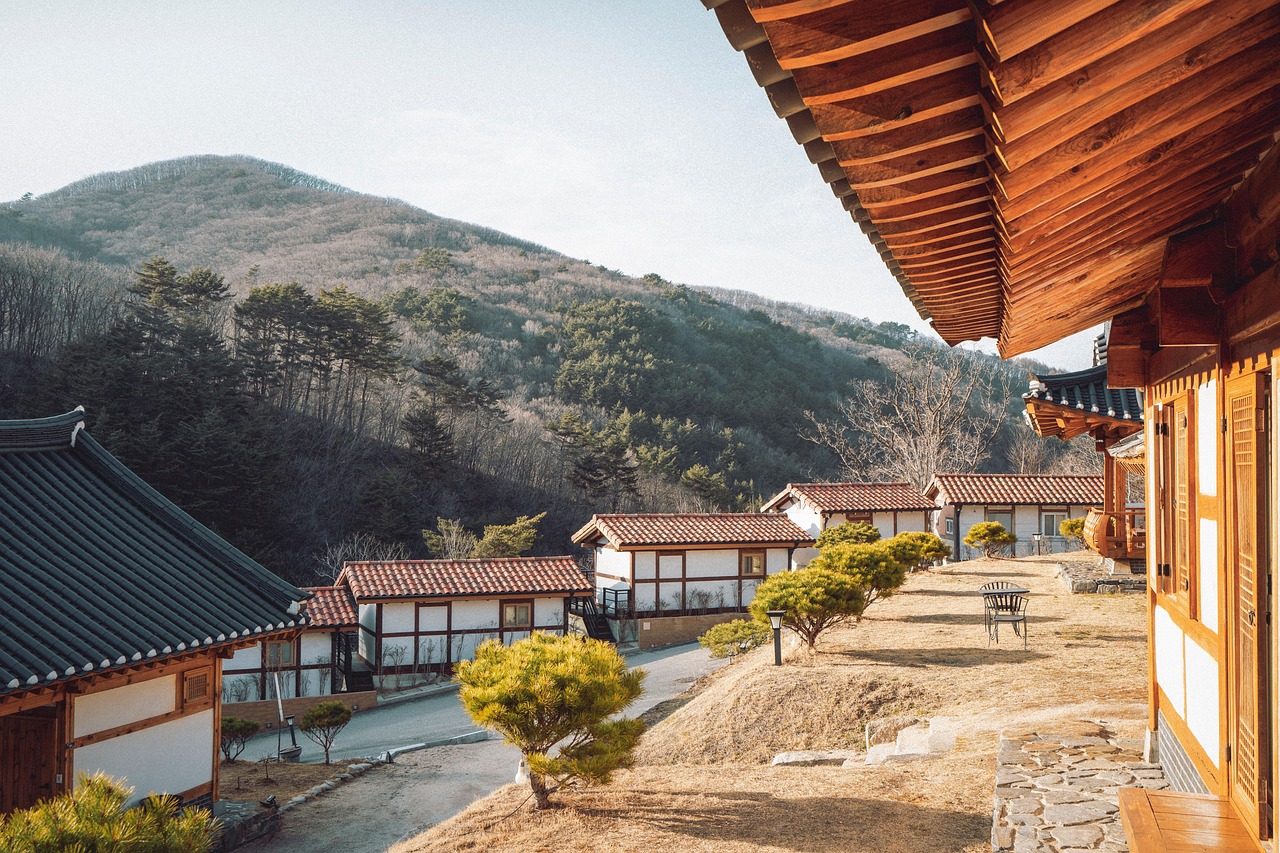
Hosting a Korean BBQ party is an immersive culinary experience that combines the joy of social gathering with the thrill of discovering authentic Korean food and cooking techniques. Setting the stage for a successful event requires careful planning and attention to detail, from choosing the right location to selecting the appropriate cooking tools. Seoul, a city renowned for its vibrant street food culture, offers a plethora of options for best-rated Korean cuisine experiences, many of which are accessible and affordable.
The heart of any Korean BBQ party is the grill, a central feature that brings people together and encourages interactive cooking. Unlike Western grilling styles, Korean BBQ emphasizes direct heat and individual portions, allowing each guest to customize their meal. This technique, often taught in affordable Korean cooking classes in Seoul, ensures that meat is cooked perfectly to the guest's liking while minimizing cross-contamination risks. Reliability in food safety is paramount, especially when handling raw seafood, a staple in many Korean dishes. Following food safety regulations and proper hand hygiene practices, such as those promoted by local health departments, is essential to prevent foodborne illnesses.
When planning, consider the timing of your party in relation to local food markets like Gwangjang Market and Namdaemun Market, where you can source fresh ingredients and unique street food experiences. These markets not only offer a sensory overload but also provide insights into the diverse regional Korean food experiences that have been influenced by globalization and international tastes. Many Korean street food vendors now incorporate international flavors, creating unique twists on classic dishes. However, be mindful of the date and time to ensure peak freshness and avoid peak tourist hours, which can affect both ingredient quality and crowd control.
The setting itself should reflect the spirit of Korean hospitality. Arrange tables and chairs in a semi-circle around the grill to facilitate conversation and ensure everyone has ample space. Incorporate traditional Korean decor elements, such as minimal yet elegant table settings and hanging paper lanterns, to create an immersive atmosphere. Remember, the goal is to make your guests feel at home, enjoying not just the food but also the cultural experience that Korean BBQ offers.
Inviting Guests: Who's Coming to Dinner?
When hosting a Korean BBQ party, inviting guests is an important step that sets the tone for the entire experience. The key is to create a diverse yet balanced guest list that reflects the vibrant nature of Korean food and cooking classes Korea. Start by considering the demographics and interests of your guests. In Korea, BBQ gatherings are often social events, so invite a mix of friends, family, colleagues, or neighbors. Aim for a group dynamic that fosters conversation and interaction, ensuring no one feels left out.
a well-rounded guest list might include long-time friends who appreciate the traditional Korean food preparation techniques you've learned in top-trusted Korean food educators' classes, as well as new acquaintances curious about Korean cuisine. Don't shy away from inviting people with different dietary preferences or restrictions. Korea's street food vendors offer a variety of options, and many Korean BBQ restaurants cater to vegan and vegetarian guests. Consider inviting children, especially if they're familiar with Korean food from previous experiences or classes. This adds a lively, energetic atmosphere, but be prepared for potential messiness, especially during kimchi making or kimbap rolling.
As you plan, think about the timing and duration of the party. Korean BBQ is a social activity that encourages sharing and interaction, so invite guests who can commit to a few hours. A same-day Korean meal preparation class can be a fun icebreaker activity, fostering camaraderie and a deeper understanding of Korean food culture. Remember, the guest list is a key element in making your Korean BBQ party memorable. It's not just about the food and cooking; it's about the people you share these experiences with.
Market for Ingredients: Shopping for Korean Food
Hosting a Korean BBQ party is a delightful way to bring the vibrant flavors and social spirit of Korean cuisine to your home. A successful gathering starts with a well-stocked table filled with authentic Korean ingredients. When preparing for your BBQ feast, consider shopping at nearby Korean cooking workshops, where you can gain insights from experts and discover the best utensils for the job.
Seoul, as a culinary hub, offers a plethora of options for sourcing Korean food. Traditional markets like Gwangjang Market and Namdaemun Market are treasure troves of fresh ingredients, where you can find everything from spicy gochujang sauce to delicate kimchi. These markets are not just for grocery shopping; they are cultural hubs where you can learn about Korean street food recipes and the art of preparing kimchi, a staple in every Korean meal. The variety of kimchi available in these markets can range from the mild and sweet to the pungent and spicy, each with its unique preparation method.
When selecting utensils, consider the traditional grill (bap) and the iconic soju, a rice spirit that complements Korean BBQ perfectly. High-quality cooking utensils, such as cast iron grills and metal chopsticks, can raise your BBQ experience. These tools are not just functional; they become part of the Korean food and cooking class experience, teaching you the proper techniques for grilling bulgogi and rolling kimbap. According to a 2022 report by the Korea Tourism Organization, Korean street food has gained global popularity, with tourists flocking to Seoul to try these culinary delights. As you prepare your party, keep in mind food safety regulations, especially when handling raw seafood, and prioritize hand hygiene to ensure a safe and enjoyable gathering.
Cooking Classes Korea: Practicing BBQ

Hosting a Korean BBQ party is an immersive culinary experience, offering an unique blend of social interaction and authentic Korean food and cooking classes Korea. To truly master the art of Korean BBQ, looking beyond the familiar to the country's diverse regional cuisines and modern trends is essential.
Korea's BBQ tradition is deeply rooted in its vibrant street food culture, where vendors at bustling markets like Gwangjang Market in Seoul and Namdaemun Market serve up mouthwatering skewers and sizzling plates. These cost-effective Korean street food tours provide a glimpse into the nation's culinary heritage, where simple ingredients, marinated and grilled to perfection, create a symphony of flavors. Korean food and cooking classes Korea often draw inspiration from these street food gems, offering a chance to learn the secrets behind dishes like bulgogi, marinated beef skewers, and jjajangmyeon, a popular noodle dish.
Modern Korean cuisine has evolved, fusing traditional techniques with international influences, resulting in innovative recipes and presentations. The current trend of "fusion BBQ" incorporates Western flavors and cooking methods into classic Korean grilling styles. This evolution is reflected in gourmet restaurants across the country, where chefs create artistic plates that pay homage to traditional Korean food and cooking classes Korea while pushing culinary boundaries. When planning your BBQ party, consider exploring these contemporary trends alongside time-honored methods, adding an unique twist to your gathering.
Safety and sustainability are paramount when preparing Korean food, especially when handling raw seafood and marinated meats. Adhering to local food safety regulations and proper hand hygiene practices is important. Storing food properly, especially during warmer months, ensures the quality and safety of the dishes you serve. By embracing these practices, you can host a memorable Korean BBQ party that celebrates not only the delicious food but also the culture and traditions behind it.
Choosing Equipment: Grills, Utensils, and Tableware
Hosting a Korean BBQ party is a delightful way to introduce friends and family to the vibrant flavors and social aspect of Korean cuisine. An important element in ensuring a successful gathering is selecting the right equipment—grills, utensils, and tableware—to enhance the overall dining experience. In Korea, BBQ is a beloved communal activity, with markets like Gwangjang in Seoul bustling with street food vendors serving up sizzling meats. When planning your own event, consider these factors to make informed choices that will raise your Korean food and cooking classes in Korea.
Grills are the centerpiece of any Korean BBQ party. The most traditional option is a charcoal grill, which offers precise temperature control and a subtle smoky flavor. Charcoal grills, while requiring some skill to manage, are widely available at hardware stores and online retailers. For a more convenient approach, consider gas grills, which are easier to operate and clean. Top-rated models feature adjustable burners and side burners for cooking side dishes, making them excellent choices for first-time hosts.
Utensils and tableware should complement the rustic feel of Korean BBQ while ensuring practicality. Long-handled tongs, necessary for flipping meats, are a staple. Look for sets that include skewers, perfect for serving marinated meats and vegetables. Korean-style bowls, often made of ceramic or stone, are ideal for presenting dishes like bibimbap or kimchi fried rice. Consider investing in a set of high-quality soju glasses, as this traditional Korean liquor is often enjoyed during meals.
When budgeting for equipment, keep in mind that many of these items can be found at cost-effective Korean street food tours or through licensed Korean chefs near me, who often sell used equipment at competitive prices. This approach can be particularly beneficial for first-time hosts looking to test the waters without a significant investment. Remember, the best-rated Korean cuisine experiences often start with the right tools, creating a memorable gathering that showcases the vibrant flavors and social spirit of Korean food and cooking classes in Korea.
Preparing the Meat: Selecting and Marinating Cuts
Hosting a Korean BBQ party is a delightful way to bring the vibrant flavors and social spirit of Korean cuisine to your home. A key component of this culinary celebration is selecting and preparing the perfect cuts of meat. This process not only ensures a delicious dining experience but also reflects the rich culinary history and food and nutrition facts of Korea.
When choosing cuts for Korean BBQ, consider marination as an important step in enhancing both taste and texture. Unlike Western grilling, Korean BBQ often calls for thin slices of meat, allowing each bite to cook evenly. Popular cuts include bulgogi (thinly sliced beef marinated in a sweet and savory sauce) and galbi (short ribs marinated with a blend of spices and soju). The marination time varies, with some recipes calling for as little as 30 minutes, while others benefit from a 24-hour soak. This flexibility allows hosts to adapt preparation to their schedule and the number of guests.
For a reliable Korean food and cooking class in Korea, or anywhere, understanding local food safety regulations is paramount. When preparing raw meats, such as beef or pork, ensure proper hand hygiene and use separate cutting boards for raw and cooked foods. According to the Korea Centers for Disease Control and Prevention (KCDC), proper food handling and storage practices significantly reduce the risk of foodborne illnesses. Storing raw meats below cooked foods in the refrigerator and thoroughly cooking to internal temperatures recommended by the KCDC (e.g., 145°F for ground beef) ensures the safety of your Korean BBQ feast.
the art of marinating involves more than just flavor. Korean street food vendors and gourmet restaurants alike employ various techniques, from basic soy sauce and sugar mixtures to complex combinations of gochujang (spicy chili paste), garlic, and ginger. These marinades not only tenderize the meat but also help to break down its natural juices, resulting in a richer, more flavorful end product. As you plan your party, experiment with different marinades to create a menu that reflects both traditional The korea and your personal culinary preferences.
Side Dishes and Condiments: Completing the Feast

Hosting a Korean BBQ party is an immersive culinary experience, and an important element in creating a truly authentic Korean food event is mastering the side dishes and condiments. These complement the main focus of grilled meats and seafood, adding depth of flavor and cultural significance. In Korea, a well-prepared spread of banchan (side dishes) is as essential as the meat itself. When preparing for your Korean BBQ gathering, consider these strategies to raise your meal and offer your guests a genuine taste of Korea.
First, focus on variety and balance. A traditional Korean table features a colorful array of banchan, each with its unique flavor profile. Aim for three to four side dishes, including a kimchi, a fermented vegetable dish like bubu (spicy spinach), a fresh, marinated vegetable like ogun (radish), and a protein-rich option such as jeon (thin pancakes). A reliable Korean food and cooking class in Korea might introduce you to the art of making homemade kimchi, a skill that adds depth to your party's offerings. This hands-on approach ensures freshness and allows you to share the process with your guests, creating a memorable experience.
Condiments play a vital role in enhancing the flavors of Korean food. Gochujang, the iconic Korean chili paste, is a staple. Offer your guests a range of dipping sauces, including doenjang (soybean paste) and gochujang thinned with water, as well as gukganjang (a mild, sweet paste). For a refreshing contrast, include a side of unchimeop (salted radish) or a spicy, pickled cucumber. These condiments not only complement the meats but also reflect the diversity of Korean street food vendors found in bustling markets like Gwangjang and Namdaemun in Seoul, where you can sample a vast array of authentic Korean cuisine.
Remember, when preparing these side dishes, keep food safety regulations in mind, especially when handling raw seafood. Proper hand hygiene and food storage practices are essential. When serving raw fish, ensure it's from a reputable source and store it at the proper temperature. By following these guidelines and incorporating a selection of well-prepared banchan and condiments, your Korean BBQ party will offer a truly exceptional and authentic Korean cuisine experience, satisfying even the most discerning palates.
Table Setting and Presentation: A Cultural Touch
Hosting a Korean BBQ party is a delightful way to introduce your guests to the vibrant flavors and cultural richness of Korean cuisine. One of the most memorable aspects of Korean dining is the table setting and presentation, which offers an unique blend of tradition and modern elegance. This cultural touch can raise your party from a mere meal to an immersive culinary experience.
In Korea, table setting is an art form that varies depending on the occasion and the type of gathering. For a Korean BBQ party, the focus is on creating an interactive dining environment. The table is typically laid out with a large, low grill at the center, allowing guests to cook their own meat and vegetables. Surrounding this, place individual bowls and plates, each containing an array of side dishes, known as banchan. These side dishes often include fresh kimchi, seasoned vegetables, and fermented soups, offering a variety of flavors and textures. The key is to present the food in an inviting manner, encouraging guests to explore the different tastes Korea has to offer.
For a cost-effective Korean street food tour, consider enlisting the help of experienced Korean food tour guides. These professionals can introduce you to authentic, local eateries, providing an unique culinary adventure. Similarly, top-trusted Korean food educators can offer hands-on cooking classes in Korea, teaching you the art of Korean BBQ and its accompanying dishes. By engaging with these experts, you'll gain a deeper understanding of Korean food culture, which can then be reflected in your party's presentation. Whether it's the vibrant colors of the banchan or the communal nature of cooking and sharing, paying attention to these details will ensure your Korean BBQ party is a memorable and authentic experience for all.
Serving and Etiquette: Enjoying the Korean BBQ Experience

Hosting a Korean BBQ party is an immersive culinary experience that brings people together, celebrating the rich flavors and social aspects of Korean food culture. The serving and etiquette surrounding Korean BBQ are as important as the cooking itself, reflecting the country's hospitality and respect for its guests. When preparing to host, remember that Korean cuisine is designed to be shared, so consider the number of dishes you plan to offer and the number of guests you'll be inviting.
A typical Korean BBQ meal involves a variety of marinated meats grilled at the table, alongside an array of side dishes or banchan. These side dishes might include fresh kimchi, kimbap rolls, steamed vegetables, and fermented foods like pajun. The meat, often beef, pork, or chicken, is cooked on a shared grill in the center of the table, allowing guests to customize their portions. Etiquette dictates that you use the provided utensils, typically a fork and spoon, to take meat from the grill and serve it on your plate. This shared dining experience encourages conversation and fosters a sense of community.
For a truly authentic experience, consider enrolling in certified Korean cooking classes in Korea. These classes often include demonstrations on proper kimchi making and kimbap rolling, offering insights into the traditional preparation methods. They provide an opportunity to learn about the cultural significance of Korean food, such as the use of soju (a distilled spirit) as a cooking ingredient and the art of grilling meats to perfection. Cost-effective korean street food tours can also offer a taste of local favorites, from bindaetteok (mung bean pancakes) to odeng (fish cakes), providing a diverse introduction to Korean culinary delights.
Safety and sustainability are essential aspects of the Korean BBQ experience. Ensure proper food safety regulations are followed, especially when handling raw seafood. Implement good hand hygiene practices and maintain clean surfaces. Proper food storage is important, especially in warmer climates, to prevent foodborne illnesses. By embracing these practices, you'll create a memorable and enjoyable Korean BBQ party that reflects the warmth and hospitality of the Korean food culture.
Frequently Asked Questions About How to Host a Korean BBQ Party: A Step-by-Step Guide
What equipment is essential for a Korean BBQ party?
A Korean BBQ party, or samgyeopsal, requires specific tools for authentic preparation. You'll need a gogigi (metal grill), bimchoi (charcoal or electric heater), and jangsi (long-handled tongs). A pansu (drip tray) and meollin (spatula) are also essential for efficient cooking and serving. These tools ensure the meat cooks to perfection and are designed for the unique style of grilling Korean BBQ.
How do I choose the best cuts of meat for a Korean BBQ feast?
For a diverse and enjoyable experience, offer a selection of cuts. Popular choices include galbi (short ribs), samgyeopsal (pork belly), moyang (chicken), and sogalbi (chicken breast). Galbi is tender and marbled, while samgyeopsal is crispy and meaty. Balancing these options caters to different preferences and ensures a well-rounded menu.
Can I prepare Korean BBQ dishes in advance?
Absolutely. Many side dishes (banchan) and marinades can be prepared a day or two before the party. Marinating the meat for a few hours before grilling enhances flavor. Keeping banchan like kimchi, kimchi-jjigae, and gim (seaweed) at room temperature ensures they're ready to serve when your guests arrive.
What side dishes (banchan) are traditional for a Korean BBQ party?
A Korean BBQ party is incomplete without a variety of banchan. Traditional choices include kimchi, kimpap (rice rolls), bindaetteok (mung bean pancakes), gim (seaweed), and omlet. These dishes provide a balance of flavors and textures, complementing the grilled meats. The crispness of gim pairs well with the richness of samgyeopsal.
How do I create a memorable Korean BBQ party atmosphere?
Set the mood with vibrant table settings, traditional Korean music, and lanterns. Encourage guests to wear casual, comfortable clothing. Have a variety of drinks, including soju and makgeolli, readily available. Create a communal dining experience by arranging tables in an U-shape around the grill, fostering conversation and engagement.
Is it necessary to have a specific location for a Korean BBQ party?
While an outdoor space with a grill is ideal, a well-equipped indoor kitchen works just as well. Ensure ample counter space for preparation and a large table for serving. Consider the layout to accommodate guests comfortably around the grilling area. If outdoor grilling isn't feasible, use an indoor grill or a large flat pan on the stove.
Hosting a Korean BBQ party isn't just about cooking; it's an immersive cultural experience that requires careful planning and preparation. From selecting the right ingredients at local markets like Gwangjang and Namdaemun in Seoul, to mastering cooking techniques learned in Korean cooking classes, every detail contributes to the authenticity of the event. The article has guided you through the process, from inviting guests and choosing equipment to preparing meat and side dishes. You now understand the importance of food safety regulations, regional food variations, and the role of kimchi and bulgogi in Korean cuisine.
By following these steps, you can transform your Korean BBQ party into a memorable gathering that celebrates not just the food, but also the rich food culture and traditions of Korea. The practical knowledge gained from these steps and the hands-on experience of The korea will equip you to share in the joy and respect for Korean cuisine with your guests. The next time you gather around the grill, you'll be ready to pass on the unique and flavorful Korean BBQ experience.
Hosting a Korean BBQ party involves careful planning, including choosing a location, selecting cooking tools, and sourcing fresh ingredients from local markets like Gwangjang and Namdaemun. The focus is on interactive cooking, direct heat, and individual portions. Safety, especially with raw seafood, is paramount, following local health department guidelines. A diverse guest list, balanced between friends, family, and new acquaintances, fosters a vibrant atmosphere. The setting should reflect Korean hospitality with semi-circular tables and traditional decor. The korea offer insights into authentic techniques and flavors, from bulgogi to banchan side dishes. Etiquette, including proper utensil use and shared grilling, enhances the social experience. Enrolling in classes or joining street food tours deepens cultural understanding and food safety practices.