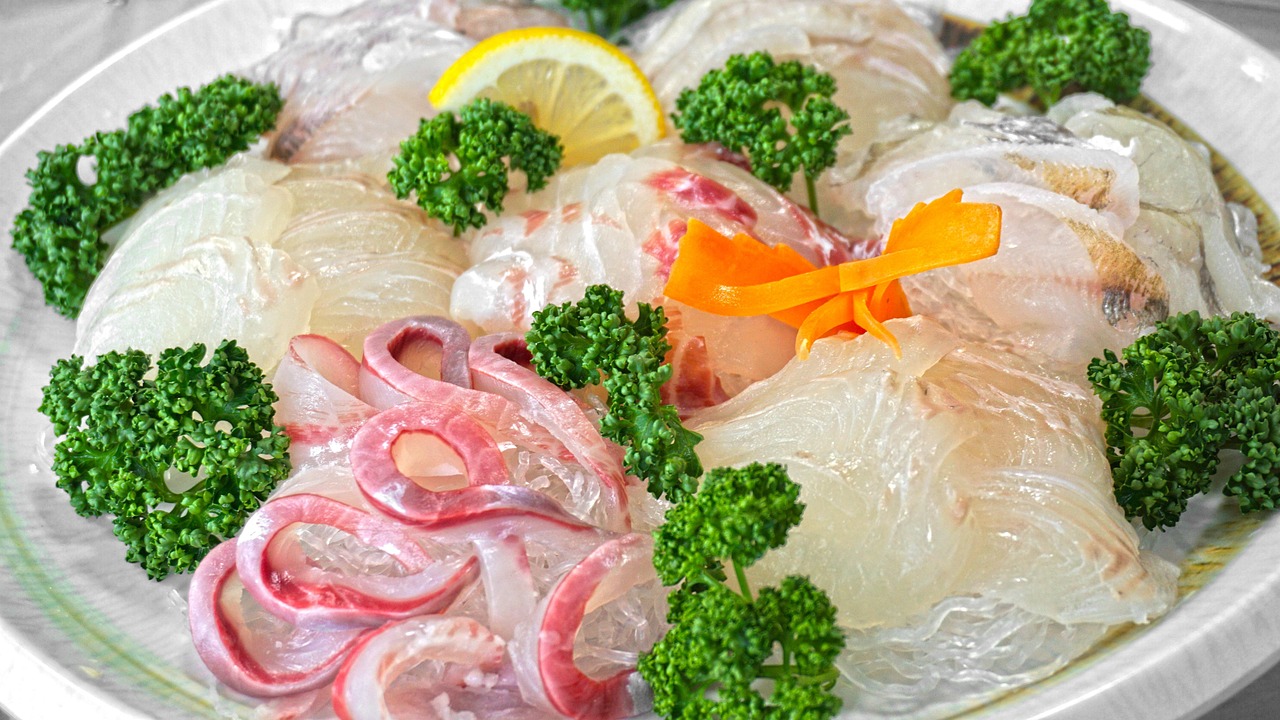
Korea cuisine has gained global acclaim, yet its rich history and diverse regional flavors remain largely unexplored. Understanding the evolution of Korea food is crucial for both culinary enthusiasts and those seeking authentic cultural experiences. This article examines the intricate journey of Korea food and cooking classes in Korea, from the sophisticated dining halls of the royal courts to the bustling street food markets of modern times. By exploring the fundamental techniques, traditional ingredients, and cultural influences, we uncover the secrets behind the country's renowned gastronomic heritage and its global appeal. Korea food and cooking classes korea offer a unique gateway to immerse oneself in this centuries-old culinary tradition.
- Ancient Roots: Early Korea Foodways
- Royal Refinement: Palace Cooking Techniques
- Regional Variations: Korea's Diverse Cuisines
- Immigration's Influence: Korea Food Abroad
- Modern Adaptation: Global Korea Restaurants
- Traditional Ingredients: Foraging for Korea Food
- Cooking Classes Korea: Preserving Heritage
- Cultural Exchange: Korea Food's Global Impact
- Future of Korea Cuisine: Innovation and Preservation
Ancient Roots: Early Korea Foodways

The roots of Korea cuisine stretch back thousands of years, shaped by a unique blend of geography, history, and cultural influences. In ancient Korea, foodways were deeply intertwined with the land and its people's way of life. Early Korea meals were often simple, featuring grains like rice and millet, vegetables such as radishes and mung beans, and meats like wild boar and fish from the abundant rivers and coasts. These ingredients, prepared through traditional methods passed down through generations, laid the foundation for what would become a rich and diverse culinary tradition.
In the royal courts of the Three Kingdoms period (57 BCE - 668 CE), Korea foodways began to take on a more refined and ceremonial character. Elaborate dishes were created to impress and entertain royalty and noblemen. One of the most iconic traditional Korea foods, kimchi, also has its origins during this time. Originally, kimchi was a luxury item, made with select vegetables preserved in salt and fermented, reflecting the social stratification of the era. Over time, kimchi evolved into a staple for all Koreas, symbolizing not only a cultural identity but also a sign of the country's ingenuity in preserving food.
The evolution of Korea foodways continued under the Joseon Dynasty (1392-1910), when cooking techniques and recipes became more standardized. The concept of "sinsa" or "four seasons" cuisine emerged, emphasizing the use of seasonal ingredients to create balanced and harmonious meals. This period also saw the development of specialized cooking tools, such as the grill (gujang) and the stone pot (dol), which are still integral to modern Korea cooking. Traditional Korea food preparation focused on preserving nutrients and flavors, often involving fermentation, pickling, and drying techniques. These methods not only ensured food safety in an era with limited refrigeration but also added depth and complexity to the dishes.
Nearby, in vibrant urban centers like Seoul and Gwangjang Market, as well as Namdaemun Market, these ancient foodways mixed with global influences, creating a dynamic and changing food culture. Korea street food vendors, a staple of urban landscapes, offered a glimpse into this fusion, combining traditional recipes with modern techniques and international tastes. Today, the study and practice of traditional Korea food preparation through cooking classes in Korea offer a unique opportunity to explore and appreciate the country's rich culinary history, while also experiencing the warmth and hospitality of Korea culture.
Royal Refinement: Palace Cooking Techniques

The culinary traditions of Korea have evolved over centuries, shaped by the country's history, geography, and cultural influences. Royal courts played a pivotal role in this journey, refining and preserving Korea food and cooking techniques that have stood the test of time. Palace kitchens were not merely functional spaces but centers of culinary excellence, where skilled chefs created dishes that reflected the sophistication and tastes of the Korea nobility.
In these royal kitchens, specific cooking methods and utensils were highly valued. Certified Korea cooking classes in Korea today often emphasize the use of traditional tools like the gwang (grill), which was a staple for preparing various meats, and the jjang (clay pot), ideal for cooking stews and soups. Soju, a popular Korea rice wine, was not only a beverage but also an ingredient, enhancing flavors in many dishes. Kimchi, a staple side dish, was prepared with meticulous care, its fermentation process a closely guarded secret in many royal households. The art of bulgogi (barbecued marinated beef) was also refined, with specific cuts of meat and marinades designed to please the palates of the royalty.
The Korea food and cooking classes in Korea offer a window into this rich culinary heritage. They teach not only the recipes but also the techniques and cultural significance behind them. Participants learn about the kimchi-making process, the importance of kimbap (Korea sushi rolls) in social gatherings, and the proper hand hygiene practices that are integral to Korea food safety regulations. These classes also showcase the regional diversity in Korea cuisine, as dishes from different parts of Korea adapt to local ingredients and flavors. With globalization, international influences have enriched Korea food, but the core principles and cultural heritage remain a vital part of the country's culinary identity.
Regional Variations: Korea's Diverse Cuisines

Korea's culinary landscape is a mix woven with threads of regional diversity, reflecting the country's rich history and varied geography. As you traverse the nation, from the rugged mountains of the east to the fertile plains of the west, you'll encounter distinct flavors and cooking styles that have evolved over centuries. This regional variation is a sign of Korea's unique food culture, offering a fascinating journey for any food enthusiast.
The east, particularly the islands of Jeju and the coastal regions, boasts a cuisine heavily influenced by the sea. Here, seafood is not just a staple but a way of life. Local specialties like Jeju black pork and the famous Haenangul (Korea seafood stew) showcase a preference for fresh, locally sourced ingredients. In contrast, the central region, including the capital Seoul, is known for its rich, hearty dishes. Think bulgogi, a tender marinated beef dish, and kimchi, the iconic fermented cabbage that permeates Korea meals. These dishes reflect the region's cold winters, requiring warm, nourishing foods to sustain the population.
Moving west, the cuisine transitions to reflect the agricultural heartland of Korea. Here, rice, vegetables, and legumes dominate, with dishes like bibimbap (mixed rice with assorted vegetables) and kimbap (rice rolls) showcasing the region's ingenuity in utilizing seasonal produce. These culinary traditions have been passed down through generations, with families gathering around the table to share authentic Korea food experiences, reinforcing the bonds of culture and heritage. Even today, Korea food and cooking classes in Korea offer a gateway to these regional variations, allowing visitors to participate in local traditions and discover the stories behind each dish.
For those seeking a deeper dive, exploring near-me Korea food and culture events can be a rewarding endeavor. These gatherings, whether they're local festivals or pop-up dining experiences, provide a chance to immerse oneself in the Koreas food and cultural heritage. From street food vendors in Gwangjang Market, Seoul, to the vibrant food scene in international cities, the regional variations of Korea cuisine continue to captivate and inspire, inviting culinary adventurers to embrace the diverse flavors of Korea.
Immigration's Influence: Korea Food Abroad

Korea food and cooking classes in Korea have evolved significantly over the centuries, reflecting the country's rich history and cultural exchanges. Immigration has played a pivotal role in spreading Korea cuisine globally, leading to the establishment of top-trusted Korea food educators and certified Korea cooking classes worldwide. This phenomenon has not only enriched local palates but also created unique fusion cuisines that blend traditional Korea flavors with international influences.
The early 20th century saw a wave of Korea immigrants seeking better opportunities abroad, particularly in the United States and Canada. They brought with them their culinary traditions, opening restaurants and offering Korea food and cooking classes to introduce their native dishes to new audiences. In cities like Los Angeles and Toronto, Korea street food vendors started popping up, offering dishes like tteokbokki and bibimbap to the curious and adventurous. As these immigrants settled, they adapted their recipes to suit local palates while preserving the essence of Korea flavors, leading to the development of top-rated Korea cuisine establishments in these countries.
Emergency Korea food delivery, once unimaginable, has now become a common feature in many global cities thanks to the demand for authentic Korea dishes. This trend reflects the deep fascination with Korea culture, including its cuisine, worldwide. Korea cooking classes, whether in Korea or internationally, have become more diverse, catering to beginners and experts alike. The rise of online platforms has made accessing these classes easier, allowing food enthusiasts to learn the art of Korea cuisine from the comfort of their homes. This accessibility has not only democratized Korea culinary education but also contributed to the global spread of Korea food culture.
Modern Adaptation: Global Korea Restaurants

As Korea's culinary landscape has evolved, traditional Korea food and cooking classes in Korea have adapted to meet the demands of modern tastes. The global reach of Korea cuisine is evident in the proliferation of Korea restaurants worldwide, offering a fusion of authentic flavors and convenient services like emergency Korea food delivery. These restaurants not only cater to expatriates and tourists but also introduce local audiences to the rich heritage of Korea food and cooking techniques.
The modern adaptation of Korea cuisine is a sign of its enduring appeal. Korea street food vendors, once a staple in markets like Gwangjang and Namdaemun in Seoul, have expanded their reach through these global outposts. The popularity of Korea food safety regulations and the emphasis on proper hand hygiene, deeply ingrained in Korea culinary culture, has contributed to the reliability of these international restaurants. They ensure that the same high standards of food preparation and storage are maintained, even as the cooking is adapted to local palates.
The classic Korea dish bulgogi, known for its marinated beef and vibrant flavors, has been embraced globally. Similarly, kimchi, a staple side dish made from fermented vegetables, has become a worldwide phenomenon. Korea cooking classes, both in Korea and abroad, have seen an uptick in popularity, with people eager to learn the art of making kimbap (Korea rice rolls) and mastering the use of best Korea cooking utensils to recreate these dishes at home. The global influence on Korea food has not diluted its authenticity; instead, it has sparked a deeper interest in the culinary traditions of Korea, encouraging a fusion of old and new that respects the heritage of Korea food and cooking classes in Korea.
Traditional Ingredients: Foraging for Korea Food

The traditional Korea culinary landscape is deeply rooted in the country's rich history and diverse geography. For centuries, Korea food and cooking classes Korea have been influenced by the abundance of natural resources found throughout its various regions. Foraging, a key aspect of Korea food culture, has played a vital role in shaping the nation's cuisine.
In ancient times, Korea chefs would venture into the wilderness to gather wild vegetables, herbs, and mushrooms, which are now staple ingredients in many classic dishes. The popular side dish, ssam (wrapped rice), often incorporates foraged vegetables like wild boo choy and water dropwort, adding a unique flavor and texture. Similarly, kimchi, a staple ferment in Korea cuisine, has long been enhanced by foraged ingredients like wild ginger and perilla leaves, imparting complex tastes that vary with the seasons. These practices not only enriched the flavors of Korea food but also promoted sustainable foraging methods.
Today, top-trusted Korea food educators in Korea continue to emphasize the importance of foraged ingredients in their cooking workshops. Local korea food and cooking classes near me often highlight the unique flavors and health benefits of these wild edibles. Nearby Korea cooking workshops may include lessons on identifying and harvesting dandelion leaves, chickweed, and other wild greens, which are then transformed into delicious and nutritious dishes. These culinary traditions not only connect modern Koreas to their historical roots but also foster a deeper appreciation for the natural world and sustainable food practices.
Cooking Classes Korea: Preserving Heritage

Korea food and cooking classes Korea have become a vibrant sign to the country's rich culinary heritage, offering a unique blend of tradition and modern innovation. These classes, available in diverse formats from intimate workshops to immersive street food tours, are more than just educational experiences; they are cultural exchanges that connect learners with the soul of Korea cuisine. From the bustling markets of Seoul, like Gwangjang and Namdaemun, where street food vendors have honed their craft for generations, to the elegant dining rooms of traditional Korea restaurants, the nation's culinary landscape is a dynamic narrative waiting to be savored.
Top-trusted Korea food educators in Korea now offer classes that go beyond mere recipe replication. They teach the techniques and stories behind iconic dishes like bulgogi, grilled over hot coals, and kimchi, fermented with care and spice. These educators not only impart practical skills but also share insights into the cultural significance of Korea food, making each class a journey through time and tradition. Modern Korea cuisine trends reflect this fusion of old and new, with chefs revisiting classic recipes while incorporating contemporary techniques and global influences.
The experience is not just for food enthusiasts; it's a valuable opportunity for families and individuals to connect with Korea culture. Children, in particular, can benefit from learning the art of kimchi making or the skill of kimbap rolling, gaining not only culinary confidence but also a deeper understanding of their heritage. Korea food and cooking classes Korea offer an accessible and cost-effective way to explore the country's diverse regional cuisines, from the spicy flavors of the south to the seafood-rich dishes of the coast. By participating in these classes, visitors can contribute to the sustainability of Korea's food culture, supporting local educators and preserving traditional culinary practices for future generations.
Cultural Exchange: Korea Food's Global Impact

The global impact of Korea food is a sign of its rich culinary history and the dynamic cultural exchange that has shaped it. As Korea cuisine becomes increasingly popular worldwide, it's clear that the influence extends far beyond the borders of Korea. Experienced Korea food tour guides often lead visitors on journeys through bustling markets like Gwangjang Market in Seoul, where they witness the vibrant street food scene and learn about local ingredients. These tours offer a unique perspective on the evolution of Korea food, from traditional royal court cuisine to the modern fusion of global flavors.
Korea food and cooking classes in Korea provide a hands-on experience, allowing participants to learn firsthand the techniques and traditions behind iconic dishes. Same-day Korea meal preparation classes, for instance, teach participants how to make classic dishes like bulgogi and kimchi, often using fresh, local produce from nearby markets. Top-trusted Korea food educators, many of whom have honed their skills in renowned restaurants and culinary schools, guide students through these classes. They share insights into the cultural significance of each dish and the regional variations that exist throughout the country.
The global adoption of Korea food is evident in the diversity of international influences now found in Korea cuisine. From the popularization of Korea BBQ in the West to the trend of K-pop-inspired food, Korea food has become a global conversation starter. This cultural exchange has not only enriched the dining experiences of people around the world but has also fostered a deeper understanding and appreciation of Korea culture and traditions. As Korea food continues to evolve, so too does its impact, ensuring its place as a significant force on the global culinary stage.
Future of Korea Cuisine: Innovation and Preservation

The future of Korea cuisine is a vibrant mix woven with threads of both innovation and preservation. As the world discovers the rich flavors and diverse traditions of Korea food and cooking classes in Korea, the culinary landscape is evolving. Experienced Korea food tour guides and passionate chefs are not only introducing locals and visitors to the country's diverse dishes but also exploring new ways to blend heritage with modern techniques. This dynamic mix creates a unique, ever-changing gastronomic experience.
One of the most exciting aspects of Korea's culinary future is the integration of global influences with traditional Korea food and its history. The country's renowned street food vendors, from bustling markets like Gwangjang and Namdaemun in Seoul to regional specialties, have always reflected a blend of local tastes and international trends. Today, this synthesis is more pronounced, with Korea chefs experimenting with ingredients and cooking methods from around the world. The fusion of kimchi with international cuisines has led to innovative dishes that both honor tradition and delight in their uniqueness.
However, as Korea food and cooking classes in Korea adapt to the modern era, there is a strong emphasis on preserving the authentic flavors and techniques that have made Korea cuisine renowned globally. Traditional tools, such as the grill, soju, and the iconic kimchi, remain central to many Korea dishes. Cooking classes, which have become increasingly popular among locals and tourists alike, focus on teaching not just recipes but the cultural significance of these ingredients and methods. This balance between innovation and preservation ensures that the essence of Korea food remains intact while allowing it to evolve and thrive in the 21st century.
The best Korea cooking utensils, from cast-iron pans to bamboo steamers, are carefully selected and passed down through generations, a sign of the value placed on craftsmanship and tradition. Similarly, the art of kimchi making and kimbap rolling is being meticulously taught to new generations, ensuring that these culinary skills are not lost. By embracing both innovation and preservation, Korea cuisine is poised to continue its global journey, offering unique and satisfying experiences for food enthusiasts everywhere.
Frequently Asked Questions About The History of Korea Cuisine: From Royal Courts to Modern Times
What is the origin of Korea cuisine? Korea cuisine traces its roots back thousands of years, shaped by the country's diverse geography and history. Early culinary traditions were influenced by neighboring cultures, particularly China and Japan. Royal courts played a significant role in developing and refining Korea gastronomy, with elaborate feasts showcasing regional specialties. Over time, Korea cuisine evolved to include a balance of flavors-spicy, sweet, sour, and salty-and a focus on fresh, seasonal ingredients, becoming renowned for its unique flavors and presentation.
How did the royal courts contribute to Korea cuisine? The royal courts of the Joseon Dynasty (1392-1910) were pivotal in elevating Korea cuisine to an art form. Royal chefs created sophisticated dishes, often featuring exotic ingredients, to impress visitors and demonstrate the kingdom's prosperity. These culinary traditions were meticulously documented, preserving recipes and cooking techniques. The influence of the royal courts can be seen in modern Korea cuisine, where formal dining etiquette and the presentation of food remain important, reflecting the historical value placed on this art.
When did Korea cuisine become popular worldwide? Korea cuisine gained global recognition in the late 20th century, with the rise of Korea immigration and the spread of Korea culture through media. The 1988 Seoul Olympics and the 1992 Los Angeles Olympics introduced Korea food to a wider audience. Kimchi, bibimbap, and bulgogi became iconic dishes, captivating palates worldwide. Today, Korea cuisine is celebrated for its bold flavors, diverse textures, and health benefits, with its popularity continuing to grow globally.
Are there any unique culinary practices specific to ancient Korea cuisine? Yes, several unique culinary practices emerged in ancient Korea. Fermentation was a key technique, with kimchi being the most famous example. Other fermented foods included saeu-jang (a type of paste) and doenjang (soybean paste). Pickling was also common, preserving vegetables like radishes and cucumbers. Ancient Koreas practiced sun-drying and smoking meats and seafood, ensuring their longevity. These preservation methods are still used today, contributing to the rich culinary heritage of Korea.
How has Korea cuisine adapted to modern times? Korea cuisine has evolved to meet modern tastes and lifestyles while preserving its traditional essence. Today, chefs blend classic recipes with innovative techniques, creating contemporary dishes. Fast-food chains and global restaurants have adapted Korea flavors, making them accessible worldwide. The rise of food delivery apps and online recipes has facilitated the sharing and spread of Korea culinary traditions, allowing people globally to experience the diverse and delicious world of Korea cuisine.
As we've explored the history and evolution of Korea cuisine, from its ancient roots in Seoul's vibrant markets like Gwangjang and Namdaemun to its modern global impact, several key insights emerge. Korea food and cooking classes in Korea not only preserve traditional techniques and ingredients but also showcase the country's rich cultural heritage. From the meticulous palace cooking techniques that refined royal meals to the diverse regional cuisines influenced by immigration, Korea foodways have adapted and thrived over centuries.
The global reach of Korea cuisine, facilitated by immigration and cultural exchange, underscores its enduring appeal and adaptability. Today, Korea food abroad and in gourmet restaurants back home reflect a dynamic blend of tradition and innovation. This balance is crucial for the future of Korea cuisine, as it ensures both the preservation of ancestral recipes and the incorporation of modern culinary trends.
Looking ahead, the future of Korea cuisine lies in a harmonious synthesis of heritage and change. Korea food and cooking classes in Korea play a vital role in this equation by educating new generations about the country's culinary past while empowering them to shape its culinary future. By understanding and appreciating the diverse history of Korea food, we can not only savor its rich flavors but also contribute to its ongoing evolution.
Korea cuisine is a vibrant mix woven from geography, history, and cultural influences. Royal courts refined and preserved traditional methods, with dishes like kimchi and bulgogi reflecting social stratification and nobility. Cooking classes in Korea emphasize these historic techniques, using tools like gwang (grill) and jjang (clay pot). Foraging plays a key role, with wild vegetables and herbs enhancing dishes like ssam and kimchi. Modern Korea food tours and classes blend tradition with global influences, creating a dynamic culinary exchange that fosters cultural understanding. The future of Korea food focuses on both preserving authentic flavors and embracing innovation, ensuring its global relevance.