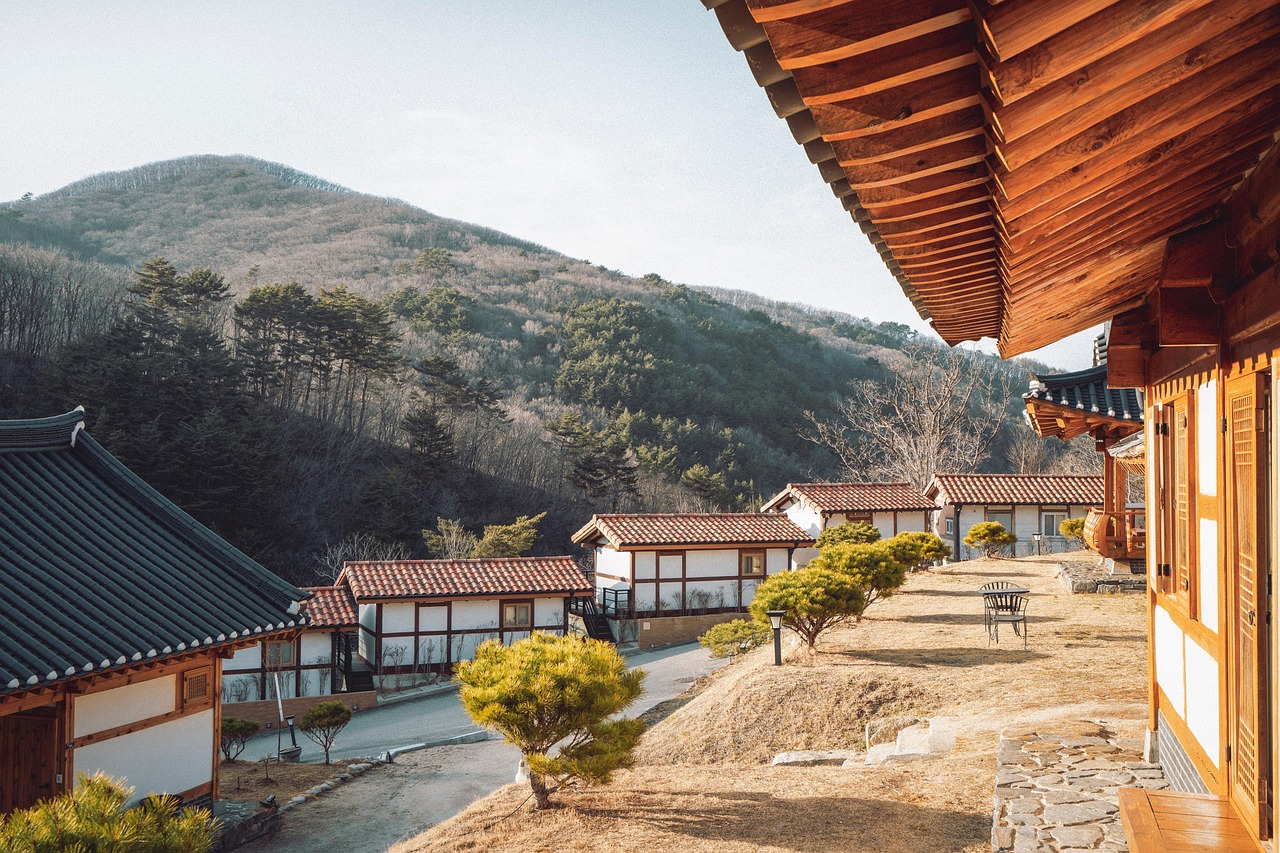
The world of Korea tea is a rich, nuanced one, offering a sensory journey through history, geography, and tradition. As global interest in Korea food and cooking classes in Korea surges, understanding the subtleties of its tea culture becomes essential. However, with diverse styles, flavors, and preparation methods, selecting the "best" Korea tea can be overwhelming. This article guides you through this aromatic adventure, providing insights to navigate the market and choose the ideal Korea tea that aligns with your tastes and preferences, whether you're a seasoned tea connoisseur or a curious beginner.
- Understanding Korea Tea Culture: Traditions and Varieties
- The Art of Selection: Choosing the Right Harvest
- Processing Techniques: From Leaf to Cup
- Exploring Regional Differences: Korea's Diverse Teas
- Tasting Notes: Achieving Flavor Profiles
- Korea Food Pairings: Elevating the Tea Experience
- Cooking Classes Korea: Mastering Tea Preparation
- Sourcing Authentic Teas: Korea Food and Cooking Classes
- Sustainability and Ethical Tea Practices in Korea
Understanding Korea Tea Culture: Traditions and Varieties

Korea tea culture is a rich mix woven with traditions and flavors that reflect the country's history and culinary values. Understanding this culture is essential for anyone examining Korea food and cooking classes in Korea. The art of Korea tea ceremonies, for instance, has been passed down through generations, emphasizing mindfulness, community, and the appreciation of nature's gifts. Each ceremony is a ritual, often accompanied by traditional Korea music and specific etiquette, ensuring the experience is as much sensory as it is cultural.
Korea's tea varieties are as diverse as its landscapes, with several unique types cultivated and celebrated. Ginseng Tea is renowned for its health benefits and is a favorite among locals and visitors alike. Oolong Tea, with its complex aroma and flavor, has gained modern popularity, reflecting the country's tea trends. These certified Korea cooking classes in Korea offer a unique opportunity to learn not just about tea but also the foods that pair best with it, like Kimchi and Bulgogi. The modern Korea cuisine scene is a fusion of traditional roots and innovative techniques, with chefs experimenting with global influences while preserving authentic flavors.
The experience of Korea food goes beyond the plate, encompassing the entire journey from farm to table. Understanding the cultural significance of various teas and culinary traditions is a key aspect of appreciating Korea cuisine. A same-day Korea meal preparation class can teach you not just the steps to create a traditional dish but also the stories and customs behind it. These classes often highlight the importance of fresh, local ingredients, reflecting the country's strong food safety regulations and sustainable practices. As you explore Korea tea culture, you'll uncover a world of flavors, traditions, and techniques that have shaped one of the most unique and captivating culinary experiences in Asia.
The Art of Selection: Choosing the Right Harvest
Choosing the best Korea tea is an art that involves understanding the nuances of different harvests. In Korea, tea selection goes beyond mere preference; it's a cultural experience deeply rooted in tradition. When navigating the vast array of options, whether during a visit to bustling markets like Gwangjang or Namdaemun, or even through authentic Korea food and cooking classes in Korea, focus on the seasonality and origin of the tea.
The most renowned Korea teas come from specific regions known for their ideal climates and soil conditions. The cooler mountain regions produce teas with a crisp, clean taste, while the warmer, coastal areas give us teas with a smoother, sweeter profile. The most sought-after teas are often those that have been plucked during the late spring and early summer, known as the "first flush." This term refers to the first harvest of the season, when the tea leaves are at their most tender and fragrant. These teas, known for their delicate flavors and vibrant colors, are considered a true delicacy among tea connoisseurs.
When selecting tea, consider the specific type you intend to use. Korea street food recipes, for example, may call for a stronger, more robust tea to stand up to bold flavors. In contrast, making traditional Korea tea ceremonies requires a delicate, refined tea that can highlight the subtleties of the ceremony itself. An emergency Korea food delivery might not allow for the same level of scrutiny, but even here, understanding the origin and basic characteristics of the tea can ensure a more satisfying experience. Remember, the journey to finding the best Korea tea is as much about the story behind it as it is about the taste.
Processing Techniques: From Leaf to Cup
The journey to selecting the perfect Korea tea is as much an art as it is a science, involving a deep understanding of processing techniques that transform delicate leaves into aromatic brews. In Korea, tea production is a centuries-old practice, with various methods shaping the distinct flavors that have captivated tea enthusiasts worldwide. From the lush green mountains to the bustling streets of Seoul, exploring these techniques offers a unique insight into the culture of Korea food and cooking classes in Korea.
At the heart of Korea tea lies the meticulous process of plucking, withering, and oxidizing the tea leaves. The most renowned teas, like those grown in the picturesque mountains surrounding Seoul, undergo careful handling. The leaves of Ginseng tea are gently plucked by hand, ensuring only the optimal buds and leaves are selected. This meticulousness extends to the withering process, where leaves are spread out on trays, allowing the sun to gently dry them. The duration and conditions are crucial, as they determine the tea's eventual flavor profile. Some teas, like Dangwi (or Oolong), are partially oxidized, imparting a complex, floral aroma, while others, like Jasmine tea, are fully oxidized, resulting in a robust, dark brew.
When participating in Korea cooking workshops nearby or exploring best-rated Korea cuisine experiences, it's beneficial to understand these nuances. Certified Korea cooking classes, for instance, often emphasize the importance of water temperature and steeping times. Water temperature plays a pivotal role in extracting the tea's essence, with lower temperatures suited for delicate greens and higher temperatures for darker, more robust teas. Steeping times vary equally, with some teas requiring only a few minutes while others benefit from longer immersions. These techniques, passed down through generations, ensure that the flavors of Korea's renowned teas are preserved and celebrated, offering a sensory journey that is as much about tradition as it is about taste.
Exploring Regional Differences: Korea's Diverse Teas

Korea's rich culinary heritage extends far beyond its famous kimchi and bulgogi; its diverse teas offer a fascinating glimpse into the country's regional differences and historical practices. When exploring Korea teas, consider attending local events or even enrolling in Korea food and cooking classes in Busan or Seoul to gain a deeper understanding. These experiences not only immerse you in Korea culture but also provide valuable insights into the nuances of Korea food and its history.
Regional variations in Korea teas are a sign of the country's varied geography and climate. Teas from the cool, mountainous regions of Gangwon-do province tend to be lighter and more delicate, often with floral notes, while those from the warmer, coastal areas like Jeolla-do may exhibit stronger, earthier flavors. The latter is known for its renowned green teas, which are highly prized for their vibrant color and distinct taste. These regional differences are reflected in the local dishes and culinary traditions, making each area's tea offering a unique experience for the senses.
When selecting a Korea tea, consider the occasion and your personal preference. Some popular choices include darum (a fragrant white tea), kuksa (a robust black tea often served in traditional ceramic cups), and gungja (a sweet, floral green tea). Many Korea food and cooking classes in Korea offer tastings and educational sessions on these teas, allowing you to compare and appreciate their distinct characteristics. Reading reviews for these classes can help guide your choice, as fellow enthusiasts often share their experiences, highlighting the best spots for tea education and cultural immersion.
Exploring Korea teas is a journey into the heart of the country's culinary culture. By understanding regional differences and attending local events or cooking classes, you can make informed choices and appreciate the art and history behind each cup. Whether you're a tea connoisseur or a curious food lover, this exploration offers a unique perspective on Korea food and its diverse offerings.
Tasting Notes: Achieving Flavor Profiles
Tasting notes are an essential part of achieving the complex flavor profiles that make Korea tea so captivating. As you embark on your journey through modern Korea cuisine trends, these insights will guide your palate to appreciate the nuances of each brew. In a country known for its rich culinary heritage, tea is more than just a beverage-it's a cultural experience.
When evaluating Korea tea, consider the sourcing and processing methods. The best-rated Korea cuisine experiences often highlight unique, locally-sourced ingredients. The subtle flavors of tea grown in the cool mountains can differ significantly from those cultivated in coastal regions. Processing techniques, such as the type of fermentation and oxidation involved, also play a crucial role. These factors contribute to the final taste profile, affecting the tea's body, aroma, and aftertaste.
In Korea food and cooking classes in Korea, you'll learn that different types of tea offer distinct sensory experiences. Green teas, like the renowned Gungpo-do variety, are known for their refreshing and slightly grassy notes. On the other hand, Daejeon-style oolongs offer a more complex flavor profile with hints of fruit and flowers. Experimenting with various teas allows you to discover your personal preferences and appreciate the vastness of Korea culinary traditions. By understanding these tasting notes, you'll gain a deeper connection to the food and culture, making your experiences with Korea tea both enjoyable and educational.
Korea Food Pairings: Elevating the Tea Experience
When enhancing the Korea tea experience, one of the most profound ways to examine deeper is through the art of food pairings. In Korea culinary culture, the relationship between tea and food is a symphony of flavors, textures, and aromas that elevate both the tea and the dish. Imagine savoring a bowl of steaming hot bibimbap, a vibrant mix of rice, vegetables, and meat, accompanied by a delicate, aromatic green tea. Or, perhaps, pairing a crispy kimchi pancake with a rich, smooth, and slightly sweet rice wine. These combinations are not merely complementary; they create a harmonious dance on the palate, showcasing the depth and complexity of Korea cuisine.
Korea food and cooking classes in Korea, especially in bustling cities like Seoul, offer a gateway to these authentic Korea food experiences. These classes, often held in vibrant markets like Gwangjang Market or Namdaemun Market, provide insights into the local culture and the science behind traditional cooking techniques. Students not only learn to prepare classic dishes like bulgogi and kimchi but also discover the ideal tea pairings. The pungent and slightly spicy flavors of gochujang, a staple in Korea cooking, pair wonderfully with a crisp, fruity green tea, balancing each other out. Similarly, the rich, savory notes of a well-cooked bibimbap can be enhanced by a tea with a subtle nuttiness, such as a roasted oolong.
While some may opt for the convenience of emergency Korea food delivery, particularly in foreign cities, nothing beats the depth of knowledge gained from participating in Korea cooking classes. Reviews for Korea cooking classes in Busan, for example, consistently highlight the joy of learning not just how to cook, but also how to select and pair teas that elevate the dining experience. These classes are not just about mastering recipes; they're about understanding the cultural significance of each ingredient and the art of combining them to create a symphony of flavors. Whether you're a seasoned chef or a curious beginner, exploring Korea food and cooking classes Korea offers is a journey that promises not just culinary mastery but a deeper connection to the rich traditions and customs of this vibrant culture.
Cooking Classes Korea: Mastering Tea Preparation

Choosing the perfect Korea tea is a journey that involves not just tasting, but understanding the cultural nuances and preparation techniques that make each variety unique. When exploring this culinary adventure, participating in Korea food and cooking classes in Korea offers an invaluable insight into tea preparation, allowing you to examine deeper into the art of tea crafting. In this context, the expertise of licensed Korea chefs near me becomes indispensable.
Seoul, home to vibrant markets like Gwangjang and Namdaemun, is a foodie's paradise, teeming with street food vendors who have perfected the art of brewing and serving tea alongside their savory delights. These local experiences provide a tangible connection to Korea culinary traditions, offering a chance to learn firsthand from experienced instructors. A nearby korea cooking workshop might focus on the intricate process of making traditional green tea or the perfect balance of flavors in a herbal blend. Here, you'll not only discover the finest teas but also gain practical knowledge about their preparation, ensuring you can recreate the flavors at home.
Reliable Korea food safety advice is a critical aspect of any culinary journey, and tea preparation is no exception. Korea, with its stringent food safety regulations, has established practices that prioritize hygiene and quality, which can be a model for tea enthusiasts worldwide. Understanding these standards and learning from them during your classes will not only enhance your tea-making skills but also ensure the safety of the final product. By embracing these Korea food and cooking classes in Korea, you embark on a sensory exploration that combines tradition, skill, and safety, ultimately elevating your appreciation for this ancient beverage.
Sourcing Authentic Teas: Korea Food and Cooking Classes

When exploring the rich culinary landscape of Korea, sourcing authentic teas is a crucial step in any food lover's journey. Korea food and cooking classes Korea offer a unique opportunity to examine the traditional preparation and cultural significance of tea, which has been an integral part of local hospitality and culinary practices for centuries. These classes not only teach you about the history of Korea tea but also equip you with the skills to choose and prepare the finest varieties.
Modern Korea cuisine trends have seen a resurgence in interest in traditional teas, reflecting a global appreciation for the country's culinary heritage. Top-trusted Korea food educators play a vital role in preserving and sharing this knowledge. They guide participants through the intricacies of tea cultivation, processing, and tasting, often focusing on regional specialties. A class in Seoul might specialize in the unique flavors of green teas from the nearby mountains, while another in Busan could highlight the coastal influences on black tea production. These educators not only teach the art of brewing but also the cultural rituals and ceremonies that have made tea an essential element of Korea dining and hospitality.
The process of sourcing authentic teas involves understanding the traditional methods of preparation, which often include unique Korea cooking techniques. Learning to make kimchi or roll kimbap, for instance, can provide insights into the local food culture and its relationship with tea. Top-trusted educators often emphasize the importance of fresh, local ingredients and proper food safety regulations, ensuring that students gain a comprehensive understanding of Korea food preparation. By participating in these classes, you not only immerse yourself in the rich culinary tradition but also learn to select and appreciate the finest teas, making your Korea food and cooking class experience truly memorable.
Sustainability and Ethical Tea Practices in Korea
As sustainability and ethical practices gain global prominence, the Korea food and cooking classes in Korea are leading the way in responsible tea cultivation and production. Unlike some regions that prioritize mass production, Korea's tea industry is characterized by small-scale, artisanal practices that prioritize environmental preservation and fair labor. This commitment to sustainability is reflected in every step of the Korea tea journey, from the cultivation of organic tea leaves to the mindful packaging of finished products.
One of the key aspects of ethical Korea tea practices is the emphasis on organic farming methods. Many tea growers in Korea avoid the use of synthetic pesticides and fertilizers, opting instead for natural alternatives that maintain the ecological balance of the land. Some experienced Korea food tour guides in Busan highlight the importance of understanding the terroir-the unique combination of soil, climate, and topography-in tea cultivation. Tea plants grown in these specific conditions tend to develop distinct flavors and aromas, contributing to the overall quality and uniqueness of Korea teas.
The Korea tea industry is known for its commitment to fair trade and supporting local communities. Many tea farmers are small-scale producers who sell directly to consumers or work with local cooperatives. This direct-to-consumer approach ensures that farmers receive a fair price for their hand-picked leaves, fostering a sustainable economic cycle. Korea food and cooking classes often emphasize the stories behind the teas they teach, promoting a deeper understanding of the people and practices that contribute to the final cup. These classes also encourage students to appreciate the cultural significance of tea in Korea food and nutrition facts, creating a holistic experience that bridges culinary education with ethical awareness.
Frequently Asked Questions About How to Choose the Best Korea Tea: A Taster's Journey
What are the different types of Korea tea?
Korea tea offers a delightful variety, each with its unique flavor profile and preparation method. Key types include Daichas, traditional teas grown and processed within Korea, and Jeoncha, gently steamed teas often enjoyed for their delicate taste. Bancha is another popular choice, a rough-steamed tea with a robust, earthy flavor. Modern blends combine Korea teas with fruits, herbs, and spices, creating innovative options for diverse palates.
How do I know what strength to choose?
Korea teas come in various strengths, from delicate and light to robust and full-bodied. The processing method influences flavor intensity. Daichas, for instance, tend to be lighter while Bancha offers a stronger taste. Taste tests are key; sample different teas to determine your preference. Pay attention to brewing instructions for optimal strength and flavor extraction.
Are there any cultural considerations when choosing tea?
Absolutely. Tea selection in Korea often reflects seasonal availability and traditional customs. Spring teas, like Gungja (white tea), are highly prized for their purity. Summer sees the emergence of Yulcha (twist-twined tea), while autumnal Daichas are known for their rich flavors. Some teas are traditionally paired with specific foods or ceremonies, enhancing the overall experience.
What equipment do I need to prepare Korea tea properly?
A simple teapot or bowl, a strainer or infuser, and hot water are the essentials for most Korea teas. Some teas, like Jeoncha, may require a special bamboo steamer. Traditional Korea teacups, known as chawan, are preferred for their aesthetic appeal and heat retention. Experiment with different equipment to find what suits your style and tea preference.
Can I store Korea tea long-term?
Most Korea teas, when stored properly, can be enjoyed for several months. Store them in an airtight container, in a cool, dark place, away from direct sunlight. Avoid moisture and strong odors. Proper storage maintains freshness and maximizes flavor.
As your journey through the rich Korea tea culture comes to a close, it's evident that selecting the perfect tea involves a deep examine its history, regions, and unique processing methods. By understanding the art of selection, from the harvest to the cup, you've now equipped yourself to appreciate the nuanced flavors and aromas each tea offers. The diversity of regional teas, combined with the traditional Korea food pairings, provides a sensory experience that elevates the tea ritual.
Korea food and cooking classes Korea offer a unique opportunity to master not just the art of tea preparation but also the ethical and sustainable practices that are integral to the culture. These classes provide an immersive experience, allowing you to source authentic teas and gain insights into the traditional methods passed down through generations.
Practical steps forward include exploring local tea markets, attending cooking classes to learn tea-pairing techniques, and seeking out sustainable, ethically sourced teas. This knowledge not only deepens your connection to Korea culinary traditions but also empowers you to become an informed connoisseur, ensuring the legacy of these exquisite teas continues.
Participating in Korea food and cooking classes in Korea offers a deep examine the country's rich tea culture. From understanding tea ceremonies to learning traditional preparation methods, these classes highlight the art, history, and sustainability behind Korea teas. Students gain insights into the cultural significance of tea, its pairing with food, and the ethical practices of its cultivation and production. By engaging in these classes, individuals not only acquire practical skills but also gain a deeper appreciation for the role of tea in Korea culinary traditions and hospitality.