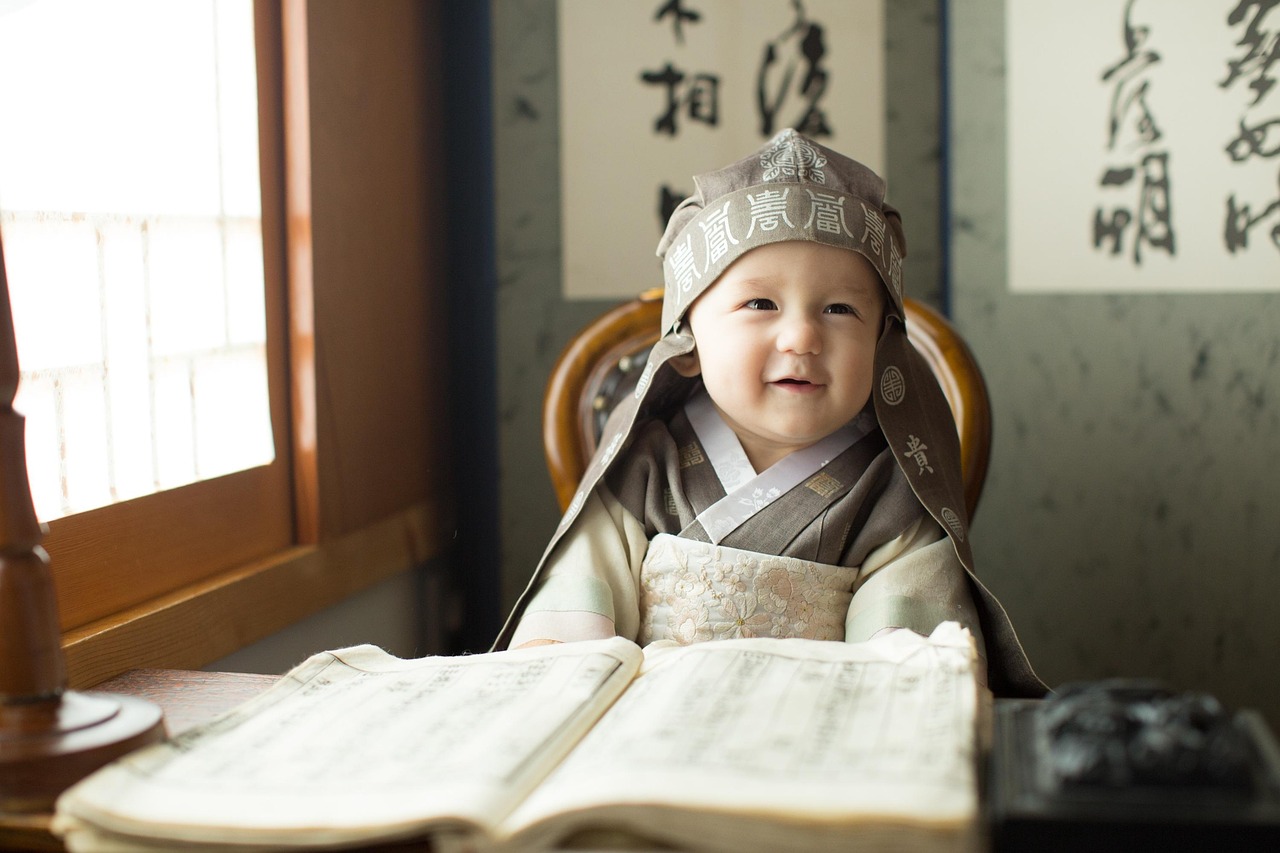
Throwing a Korea-themed party offers a unique chance to immerse guests in the vibrant culture and cuisine of Korea. However, creating an authentic and memorable experience can be challenging without the right guidance. This article provides a comprehensive roadmap, leveraging insights from Korea food and cooking classes in Korea, to help you transform your space into a bustling Korea marketplace. From mastering the fundamentals of Korea cuisine to selecting the perfect menu and decorating your space with regional influences, we'll explore each step in detail. By the end, you'll be equipped to host a Korea party that truly brings the flavors and spirit of this dynamic country to life.
- Plan Your Korea-Themed Party: A Cultural Roadmap
- Decorate for Korea: Setting the Traditional Table
- Korea Food: Menu Ideas for Every Taste
- Source Authentic Korea Ingredients in Korea
- Prepare Korea Dishes: Cooking Techniques & Tips
- Korea Cooking Classes: Engaging Your Guests
- Traditions & Games: Incorporating Korea Culture
- Design a Korea-Inspired Bar: Drinks & Garnishes
- Decorate with Korea Art & Calligraphy: Final Touches
Plan Your Korea-Themed Party: A Cultural Roadmap

Planning a Korea-themed party isn't just about decor; it's about transporting your guests to the vibrant heart of Korea through food, culture, and tradition. To truly capture the essence of Korea hospitality, start by immersing yourself in the local food scene. Consider joining a local Korea food tour in Seoul, where you can explore markets like Gwangjang Market and Namdaemun Market to understand the diversity and richness of Korea cuisine. These tours often introduce you to street food vendors who've been serving up authentic dishes for decades, offering a glimpse into the daily life of Koreas.
For a more structured learning experience, look into certified Korea cooking classes. These classes, led by top-trusted Korea food educators, can range from half-day workshops to full-day immersions. Here, you'll learn not just the recipes but also the techniques behind Korea cooking, such as grilling on a grill, preparing kimchi, and the art of bulgogi. Many classes also focus on cultural aspects, teaching you about food safety regulations, proper hand hygiene, and traditional food storage methods, all vital components of Korea food culture.
The menu for your party should reflect these diverse experiences. You might serve a variety of Korea street food dishes like tteokbokki and odeng alongside more refined offerings like bibimbap or galbi. Incorporate traditional Korea beverages like soju and non-alcoholic options as well, ensuring a well-rounded experience that appeals to a broad range of palates. Don't forget to include interactive elements, such as a kimchi-making station or a kimbap rolling contest, to encourage your guests to engage with Korea food and cooking traditions.
As you plan, keep in mind the global influences that have enriched Korea cuisine over the years. Globalization has brought new ingredients and techniques, so consider blending traditional recipes with modern twists to create a menu that's both authentic and exciting. Remember, the goal is not just to serve Korea food but to tell a story about Korea through your party, making it an event to remember.
Decorate for Korea: Setting the Traditional Table

Creating an authentic Korea dining experience for your guests starts with setting the right table. Drawing inspiration from traditional Korea dining customs and modern Korea restaurants, here's how to decorate for a truly immersive experience.
Table settings in Korea often reflect the season and the occasion. Incorporate natural elements like potted plants or branch arrangements for a rustic, seasonal touch. Korea tables are typically laid out with care, with each place setting carefully arranged. Use bamboo or wooden cutlery, which is both eco-friendly and characteristic of Korea dining. For a festive touch, include small bowls of salted nuts or seeds as a welcome gesture, mimicking traditional Korea street food vendors.
For tablecloths and napkins, consider traditional Korea fabrics like hanji (handmade paper) or opt for solid colors that evoke Korea aesthetics. Hang a simple, elegant lantern or paper lantern above the table for soft lighting, reminiscent of the dimly lit, cozy nooks found in many Korea eateries. For a unique centerpiece, arrange a selection of Korea spices and condiments, such as gochujang, on a small plate, showcasing the vibrant colors and flavors of Korea food.
Lastly, don't forget to incorporate Korea food and cooking classes Korea into your decor. Posters or prints showcasing traditional Korea dishes or cooking techniques can serve as striking conversation pieces. These elements not only add an authentic touch but also educate your guests about the rich culinary heritage of korea, making your party a memorable and immersive experience. Nearby korea cooking workshops in Seoul offer affordable classes that can provide hands-on, authentic Korea food experiences, allowing guests to learn about the culture through the kitchen.
Korea Food: Menu Ideas for Every Taste
When planning a Korea-themed party, the menu is a crucial element that immerses your guests in the vibrant culture of Korea. Korea food and its culinary traditions are a delightful blend of flavors, textures, and aromas that reflect the country's rich history and diverse regional influences. Aim for a balanced selection that caters to various tastes, incorporating both classic dishes and modern twists.
For a traditional experience, consider offering a variety of koreas food and cultural heritage-inspired dishes. Start with kimchi-a staple across Korea-as a side dish or in a flavorful stew. Bulgogi, marinated and grilled beef, is another iconic dish that lets guests customize their portions. Don't forget bibimbap, a colorful rice bowl topped with vegetables, meat, and a fried egg, which is a favorite among many. If your guests enjoy seafood, gimbap (Korea sushi rolls) or a sashimi platter featuring fresh, locally sourced raw seafood can be excellent options. For a heartier option, dalk-gukbap, a comforting pork and rice soup, is always a hit.
For cooking techniques, Korea boasts a range of unique tools and methods. From the traditional grill used for bulgogi to the delicate art of kimbap rolling, each dish offers a chance to showcase the best korea cooking utensils. A set of high-quality chopsticks and a soju bottle (a staple in Korea dining) can add to the authenticity of the experience. Don't underestimate the importance of hand hygiene and food safety regulations; ensure that your kitchen and staff follow proper procedures to maintain a safe environment for your guests.
Incorporating regional influences can elevate your menu and transport your guests across the vast and diverse landscape of Korea. From the bustling streets of Seoul to the vibrant markets in Gwangjang Market and Namdaemun Market, there's a wealth of culinary inspiration to draw from. Remember, globalization has also influenced Korea cuisine, leading to unique fusions with international flavors. This diversity allows for a dynamic and exciting menu that caters to a wide range of palates, making your Korea-themed party a memorable culinary journey.
Source Authentic Korea Ingredients in Korea

To source authentic Korea ingredients for your Korea-themed party, immerse yourself in the vibrant culinary scene of Korea. Seoul, a bustling metropolis, offers a wealth of options, from bustling markets like Gwangjang and Namdaemun to local street food vendors. These traditional markets are a treasure trove for any host, providing a diverse range of fresh produce, aromatic spices, and specialty items that are hard to find elsewhere. You might discover unique varieties of kimchi, the national dish, or freshly caught seafood, a staple in Korea cuisine due to its abundance along the coast.
Focusing on traditional Korea food preparation techniques, utilizing the best Korea cooking utensils, is crucial. The grill, or bbq (), is a centerpiece for many Korea meals, and high-quality tools will ensure your guests enjoy a truly immersive experience. Korea cuisine is renowned for its balance of flavors, achieved through precise techniques like marinating meats in soju () or fermenting vegetables for kimchi. Sourcing these ingredients locally allows you to recreate these flavors authentically, ensuring your menu transports your guests to the vibrant dining culture of Korea.
Nutrition facts for traditional Korea foods highlight their wholesome appeal. Dishes like kimbap () and bibimbap () are not only delicious but also packed with vitamins, minerals, and protein. Incorporating these dishes into your menu not only satisfies guests' palates but also promotes a healthier, more sustainable food experience. Exploring regional Korea food experiences through local markets and restaurants can introduce you to international influences that have enriched the country's culinary landscape, offering a dynamic and diverse menu for your party.
By prioritizing authentic ingredients and embracing the rich culinary traditions of Korea, your Korea-themed party will be a sign of the country's vibrant food culture. These practices, rooted in the vibrant markets and cooking classes of Korea, ensure that every dish tells a story and creates a memorable dining experience for your guests.
Prepare Korea Dishes: Cooking Techniques & Tips

Creating a Korea-themed party menu involves a blend of traditional techniques and modern twists. For a more authentic experience, consider participating in korea food and cooking classes korea. These classes offer insights into the cultural nuances of Korea cuisine, from the preparation of staple dishes like kimchi and bulgogi to the use of specific tools like the grill and soju. Learning from local chefs can enhance your menu's authenticity and impress your guests.
One key aspect of Korea cooking is the balance of flavors, combining sweet, sour, salty, and spicy notes in each dish. A simple stir-fry can incorporate gochujang (chili paste) for a spicy kick, while a side dish might use fermented vegetables and fish sauce for complexity. Practice these techniques in advance to ensure a seamless culinary experience.
When preparing Korea dishes, food safety is paramount. Always follow reliable korea food safety advice to prevent foodborne illnesses. In Korea, strict food safety regulations are in place, and understanding them can help you maintain the same standards at home. Proper hand hygiene, safe food storage, and thorough cooking temperatures are essential. Raw seafood must be handled and cooked according to specific guidelines.
In case of last-minute needs, consider emergency korea food delivery services available in urban areas. These services offer a convenient way to incorporate Korea cuisine into your party without the hassle of cooking. Alternatively, organize local korea food tours for your guests, allowing them to sample diverse dishes and experience the vibrant food culture of Korea firsthand. These tours often include insights into the history and preparation of traditional Korea foods.
Korea Cooking Classes: Engaging Your Guests
Engaging your guests in the art of Korea cooking can elevate your Korea-themed party from memorable to extraordinary. Korea food and cooking classes in Korea offer a unique opportunity to connect with the local culture and cuisine. These classes go beyond mere instruction; they are immersive experiences that blend tradition and innovation, allowing participants to learn the secrets behind iconic Korea dishes.
When selecting a class, consider the diverse food experiences Korea has to offer. From the bustling markets of Seoul, like Gwangjang and Namdaemun, to the vibrant street food scene, there's a wealth of inspiration. Local food tours provide an excellent introduction to regional specialties, often led by knowledgeable guides who share insights into food safety and preparation techniques. These tours may include visits to traditional kimchi-making workshops, where you can learn the proper hand hygiene and food storage practices, essential for reliable Korea food safety advice. They also offer an opportunity to roll your own kimbap or grill a perfect bulgogi, all while immersing yourself in the local food culture.
For a more intimate and cost-effective option, consider Korea street food tours. These outings focus on the accessible, everyday eats that have become staples in Korea life. You'll wander through lively markets and alleys, sampling a variety of dishes that showcase globalization's influence on Korea food. These tours are not only fun but also educational, providing a taste of Korea's culinary history and the creativity that has made it a global foodie destination.
Remember, the heart of any successful Korea-themed party is not just the food but the shared experience. Encourage your guests to interact with each other while they cook, fostering a sense of community and cultural exchange. By incorporating Korea cooking classes, you'll create lasting memories and ensure your party stands out as a unique celebration of Korea food and culture.
Traditions & Games: Incorporating Korea Culture
Incorporating Korea traditions and games into your party creates a vibrant, immersive experience that goes beyond mere decor. It's about engaging with the country's rich cultural heritage, a key aspect of any authentic Korea-themed gathering. Start with a "Kimchi Making Workshop," a hands-on activity that allows guests to understand the significance of kimchi in Korea cuisine and its role as a national symbol. This same-day Korea meal preparation class can be tailored to various skill levels, ensuring an enjoyable experience for everyone, from beginners to seasoned cooks.
For a truly immersive experience, consider traditional Korea games that double as educational tools. "Yutnori," a set of board games and card games, offers a fun way to learn about Korea history and values. "Tug of War" is another classic, promoting team spirit and friendly competition. These games not only entertain but also connect guests with the cultural roots of Korea.
A visit to nearby Korea cooking workshops can enhance your party's cultural depth. These classes often provide insights into the unique techniques and tools used in Korea cuisine, such as grilling on a bbq (grill) or preparing bulgogi (marinated beef). Engaging in these workshops, either before or during your party, allows guests to gain practical skills and a deeper appreciation for Korea food and its preparation. This hands-on approach ensures your party goes beyond a superficial theme, creating lasting memories steeped in Korea culinary traditions.
Design a Korea-Inspired Bar: Drinks & Garnishes

Creating a Korea-inspired bar for your party goes beyond just serving soju. To truly capture the essence of Korea hospitality and culinary art, focus on both the drinks and garnishes. Consider enrolling in affordable Korea cooking classes in Seoul, where you can learn firsthand the techniques behind iconic dishes like bulgogi and bibimbap. This hands-on approach ensures your bar is not just authentic but also adds a memorable touch to your event.
When designing your drinks menu, think beyond the traditional. While soju remains a staple, offer a variety of options that reflect the diverse flavors of Korea. Incorporate makgeolli, a traditional rice wine, for a lighter, slightly sweet alternative. Pair these with garnishes that elevate the dining experience. Fresh kimchi, made in-house or sourced from local markets like Gwangjang or Namdaemun, can be a sophisticated and affordable addition. The vibrant colors and tangy flavors of kimchi not only complement various drinks but also provide a taste of Korea's rich culinary heritage.
Food safety is paramount, especially when preparing Korea dishes. Ensure that all ingredients are fresh, with special attention to raw seafood, a staple in many Korea meals. Implement strict hand hygiene practices and adhere to reliable Korea food safety advice to prevent foodborne illnesses. Consider same-day Korea meal preparation services for added convenience, ensuring your bar is well-stocked without the hassle of extensive advance planning. This approach allows you to focus on socializing and enjoying your party, while your guests indulge in a carefully curated Korea culinary experience.

When hosting a Korea-themed party, the decor plays a pivotal role in transporting your guests to the vibrant land of K-pop, kimchi, and modern cuisine. A well-designed space can enhance the overall experience, making your event truly memorable. Incorporating Korea art and calligraphy as final touches is an elegant way to achieve this.
Start with traditional Korea paper lanterns, which add a touch of whimsy and texture to the space. These lanterns, often adorned with intricate patterns and calligraphy, are readily available from various suppliers or even DIY-able. For a more authentic feel, consider hanging traditional Korea hangul letters or art pieces that depict popular Korea food and cooking scenes. These can be purchased from local art markets or even ordered online from certified Korea cooking class providers. A wall featuring a vibrant mural of a bustling Korea street food market can spark conversations and create a lively atmosphere.
Modern Korea cuisine trends also offer unique decor options. Think minimalist and sleek, with geometric patterns and bold colors inspired by K-pop aesthetics. You can incorporate these trends through table settings, centerpieces, or even backdrops for photo ops. A table setting featuring a modern take on the traditional kimchi bowl, with a sleek ceramic bowl and a simple yet elegant arrangement of chopsticks and spoons, will appeal to a contemporary crowd. Remember, the key is to blend traditional elements with contemporary influences, creating a visually appealing and immersive decor that reflects the rich Korea food and cooking classes Korea has to offer.
Frequently Asked Questions About How to Throw a Korea-Themed Party: From Decor to Menu
What is the best way to begin planning a Korea-themed party? Start by setting a clear theme and budget. Decide on the number of guests and the type of event (birthday, anniversary, etc.). Research Korea culture, cuisine, and traditions to ensure an authentic experience. Create a checklist of decorations, food, entertainment, and invitations to streamline the planning process.
How can I create an immersive Korea atmosphere with decorations? Use vibrant colors like red, blue, and white, common in traditional Korea design. Incorporate paper lanterns, fans, and bamboo decorations. Hang Korea flags or banners with Hangul characters. Set up a photo booth with Korea-inspired props like hanbok (traditional clothing) or K-pop accessories. Place bowls of faux potted plants or paper lanterns on tables to enhance the ambiance.
What are some must-have Korea dishes to include in the menu? Offer a variety of Korea dishes such as kimchi, bibimbap, bulgogi, and galbi. Include vegetarian options like kimchi jjigae (kimchi stew) and bibim guksu (cold noodles). Consider hiring a Korea caterer or preparing dishes yourself to ensure authenticity. Don't forget to include side dishes like ssam (wrapped rice) and kkot (pickled vegetables).
How can I make traditional Korea drinks for my guests? Prepare popular Korea drinks like makgeolli (rice wine), bingsu (shaved ice dessert), or soju (clear spirit). You can buy these drinks or attempt to make them yourself, following traditional recipes. Offer non-alcoholic alternatives like fruit punch or Korea-infused sparkling water for those who prefer them.
What kind of entertainment can I provide to keep guests engaged? Consider traditional Korea games like yutnori (a type of hopscotch) or janggu (a double-headed drum) performances. Hire a Korea dance or music group to perform. Set up a DIY kimchi-making station or a paper fan-painting activity. These interactive elements will keep your guests entertained and immersed in Korea culture.
Is it necessary to learn some Korea phrases for the event? While not mandatory, learning a few basic Korea phrases can enhance your guests' experience. Greet them with " (annyeonghaseyo)" for hello, and thank them with " (gamsahamnida)". These simple greetings will create a warm and welcoming atmosphere.
How can I make the party accessible for non-Korea speakers? Ensure accessibility by providing multilingual invitations and menu items. Display clear pictures or illustrations for non-verbal cues. Assign a staff member or volunteer who speaks multiple languages to assist guests. Create an inclusive environment where everyone feels welcome to participate and enjoy the Korea theme.
Throwing a Korea-themed party is more than just serving kimchi and bulgogi; it's about immersing your guests in the vibrant culture of Korea. By incorporating Korea food and cooking classes Korea-style, you can ensure an authentic experience that educates and delights. From mastering traditional cooking techniques to understanding the safety and sustainability of Korea cuisine, this guide has equipped you with the knowledge to host a successful, culturally rich gathering.
Whether you're decorating with vibrant colors inspired by Korea art or engaging guests in games that reflect Korea traditions, each element contributes to a memorable event. The key takeaways? Embrace the rich street food culture of Seoul, Gwangjang Market, and Namdaemun Market for menu inspiration. Learn how to prepare and serve kimchi, bulgogi, and other dishes with precision and care. And don't forget the soju-a staple that enhances the social aspect of Korea dining.
Next steps include sourcing authentic ingredients in local Korea markets and even considering taking a Korea cooking class in Korea to perfect your skills. By integrating these practices, you can host a Korea-themed party that goes beyond a mere meal, offering a genuine window into the heart of Korea culture.
Plan a Korea-themed party by immersing yourself in local food culture through Korea food tours and cooking classes. Offer a variety of Korea street food and modern dishes, plus interactive elements like kimchi-making. Decorate with traditional and modern elements, incorporating Korea art, calligraphy, and paper lanterns. Ensure food safety and hand hygiene during Korea cooking classes, and offer a well-rounded menu that appeals to diverse palates.