Korean cuisine, with its rich history and diverse regional specialties, has captivated palates worldwide. However, the modern food field faces mounting pressure to embrace sustainability. As global demand for Korean food and cooking classes Korea soars, ensuring eco-friendly practices is important for preserving both culinary heritage and the environment. This article examines into the intersection of Korean food and sustainability, exploring the use of local ingredients, innovative eco-friendly techniques, and the role of culinary education in promoting sustainable eating habits. We'll uncover how traditional Korean cooking methods, passed down through generations, can guide a new era of responsible gastronomy.
- Korean Cuisine: A Foundation Built on Locality
- Sourcing Fresh: Korea's Embrace of Seasonal Produce
- Traditional Methods, Modern Mindset: Sustainable Cooking
- Cooking Classes Korea: Teaching Heritage, Promoting Sustainability
- The Role of Fermentation: Preserving Taste, Reducing Waste
- Korean Food Waste Reduction: Initiatives from the Ground Up
- Eco-Friendly Packaging: A Growing Trend in Korean Food Culture
- Korea's Organic Movement: Farmers, Markets, and Consumers
- Global Impact: Korean Food's Sustainability Story Spreads
Korean Cuisine: A Foundation Built on Locality
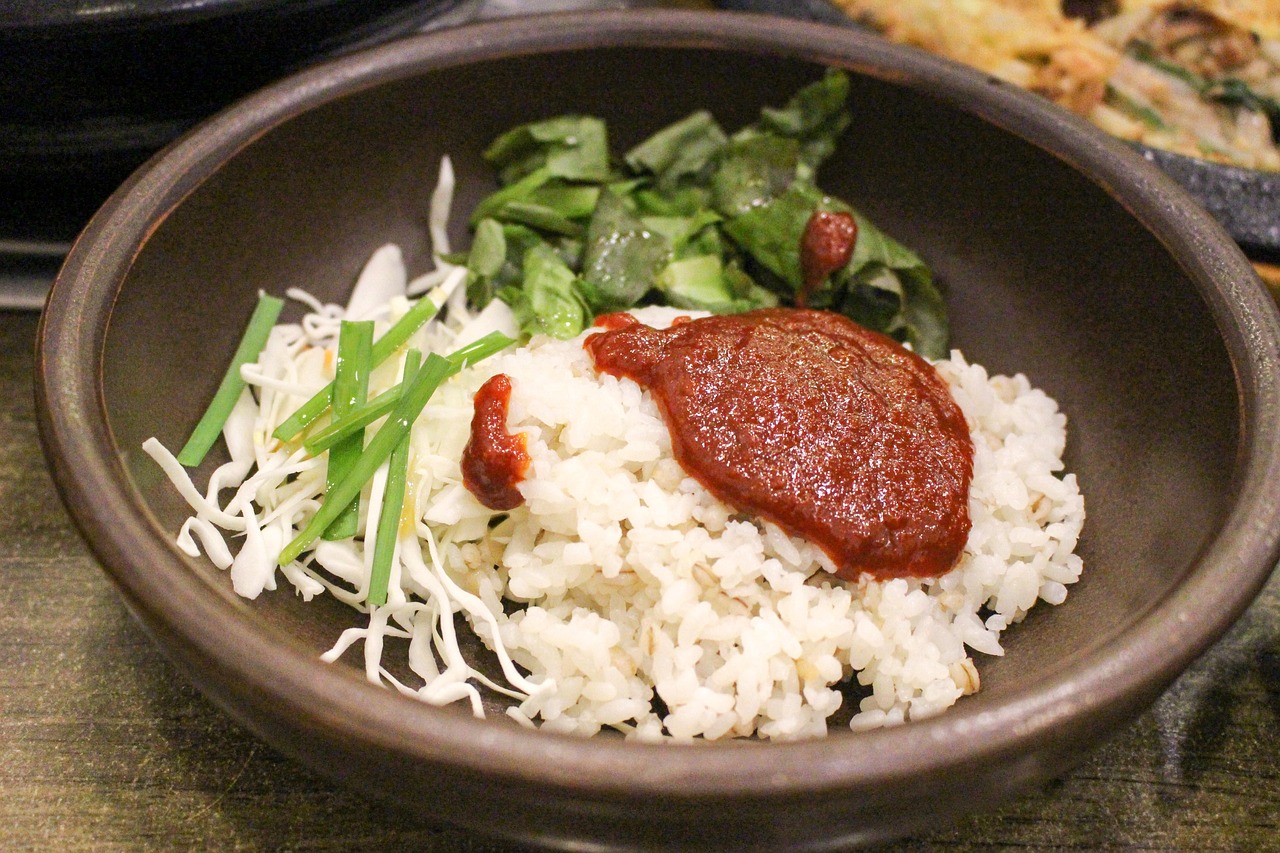
Korean cuisine is deeply rooted in its environment, with a culinary tradition that has evolved alongside the country's diverse fields and climates. When you participate in Korean food and cooking classes in Korea, you gain a direct connection to this locality, learning how ingredients and practices vary from region to region. The seafood dishes in the coastal city of Busan differ significantly from the hearty stews of the mountainous areas like Gangwon-do. This regional diversity reflects the country's history and geography, with cooking techniques and ingredients shaped by what's locally available and seasonal.
The emphasis on fresh, local ingredients is a cornerstone of modern Korean cuisine trends. In Seoul, many chefs are rediscovering and reinterpreting traditional recipes with an eye toward sustainability. This includes using foraged plants, like wild ginseng and mushroom varieties, and sourcing meat and seafood from nearby farms. The result is a vibrant, eco-friendly take on classic dishes, such as bulgogi and kimchi, that are popular in Korean food and culture events held throughout the year. The Seoul Food Festival, usually held in May, showcases local produce and culinary innovations from the city's diverse street food vendors.
Best Korean cooking utensils also reflect this commitment to locality and sustainability. Clay pots, for instance, are preferred for stews and soups because they retain heat well and are recyclable. Bamboo and wooden utensils are used instead of plastic for their natural antibacterial properties and minimal environmental impact. These tools are often passed down through generations, adding a sentimental value to the cooking process. As you learn these techniques in Korean cooking classes, you're not just mastering recipes; you're also adopting practices that honor the land and preserve Korea's culinary heritage.
Food safety regulations in Korea are stringent, reflecting a culture that prioritizes health and sustainability. This includes strict handling and storage guidelines for raw seafood, which is a staple in many Korean dishes. Hand hygiene is also paramount, with chefs in high-end restaurants and street food vendors alike adhering to rigorous standards. These practices ensure that the rich culinary traditions of Korea, passed down through centuries, remain vibrant and accessible for generations to come, both locally and globally.