Korean cuisine, with its rich history and diverse regional flavors, has become a global phenomenon. Yet, understanding its evolution from royal courts to modern times remains a nuanced challenge. This article examines into the history of Korean food, exploring its roots in royal feasts and traditional markets like Gwangjang and Namdaemun in Seoul, and tracing its transformation under international influences. We'll uncover the secrets of Korean cooking techniques, from grilling to kimchi making, and the role of street food vendors in shaping modern tastes. We'll examine the safety and sustainability practices in Korean food education, offered through specialized classes in Korea, that ensure the preservation of this culinary legacy for future generations.
- Ancient Roots: Early Korean Foodways and Traditions
- Royal Refinement: Cooking for Korea's Kings and Queens
- The Age of Trade: Korean Flavors Spread Broadly
- Colonial Influences: Japanese and Chinese Impact on Korean Cuisine
- Modern Renaissance: Korean Food's Global Comeback
- K-Food Revolution: The Rise of Korean Cooking Classes Abroad
- Authentic Experiences: Why Cooking Classes Korea Are Popular
- Global Fusion: Korean Cuisine's Contemporary Evolution
- Future of Flavor: Korean Food's Legacy and Adaptability
Ancient Roots: Early Korean Foodways and Traditions
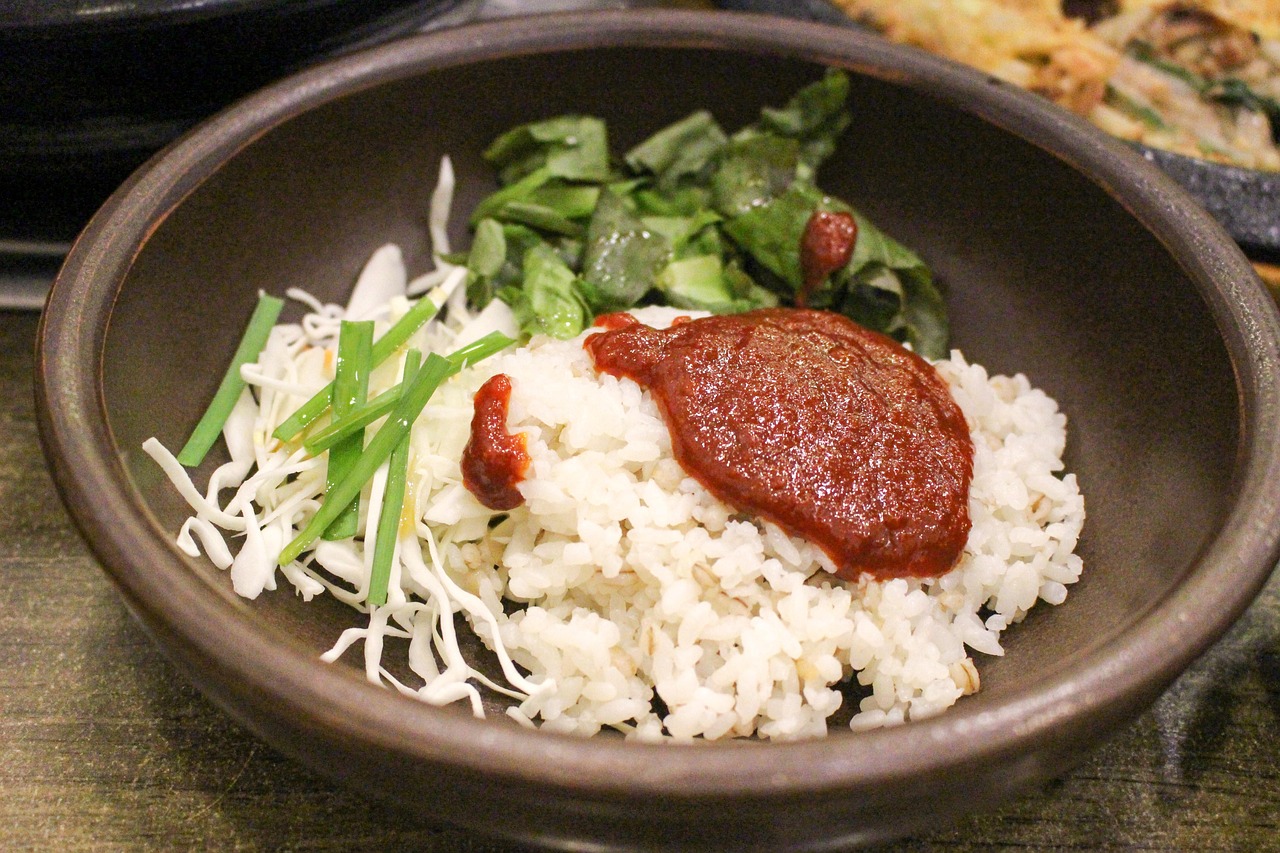
The ancient roots of Korean cuisine can be traced back to the early Joseon Dynasty (1392-1910), where royal courts played a key role in shaping the culinary field. In cities like Seoul and the bustling markets of Gwangjang and Namdaemun, the royalty's chefs created elaborate dishes, blending local ingredients with influences from neighboring countries. These early Korean foodways were characterized by a strong emphasis on seasonality, with dishes like kimchi and bulgogi becoming staples, not just in royal households but across Korean society.
One can still taste these historical roots in modern Korean street food, where vendors often serve cost-effective korean food and cooking classes korea that reflect regional traditions. In Seoul, a walk through the vibrant street food scene near Mea (Myeongdong) Market will introduce a variety of ancient flavors, from kimbap rolls to bindaetteok (mung bean pancakes). These street food tours offer an accessible way to experience the country's culinary heritage, providing an authentic and affordable introduction to korean food and culture events near you.
The art of preparing these traditional dishes has been passed down through generations, with affordable korean cooking classes seoul becoming increasingly popular among locals and tourists alike. These classes not only teach the techniques behind iconic Korean dishes but also offer insights into the cultural significance of food, making them a valuable experience for those looking to examine deeper into the country's rich culinary traditions. The preservation of these ancient foodways is not just about cooking; it's about keeping alive a part of Korea's cultural identity, one korean food at a time.
Royal Refinement: Cooking for Korea's Kings and Queens
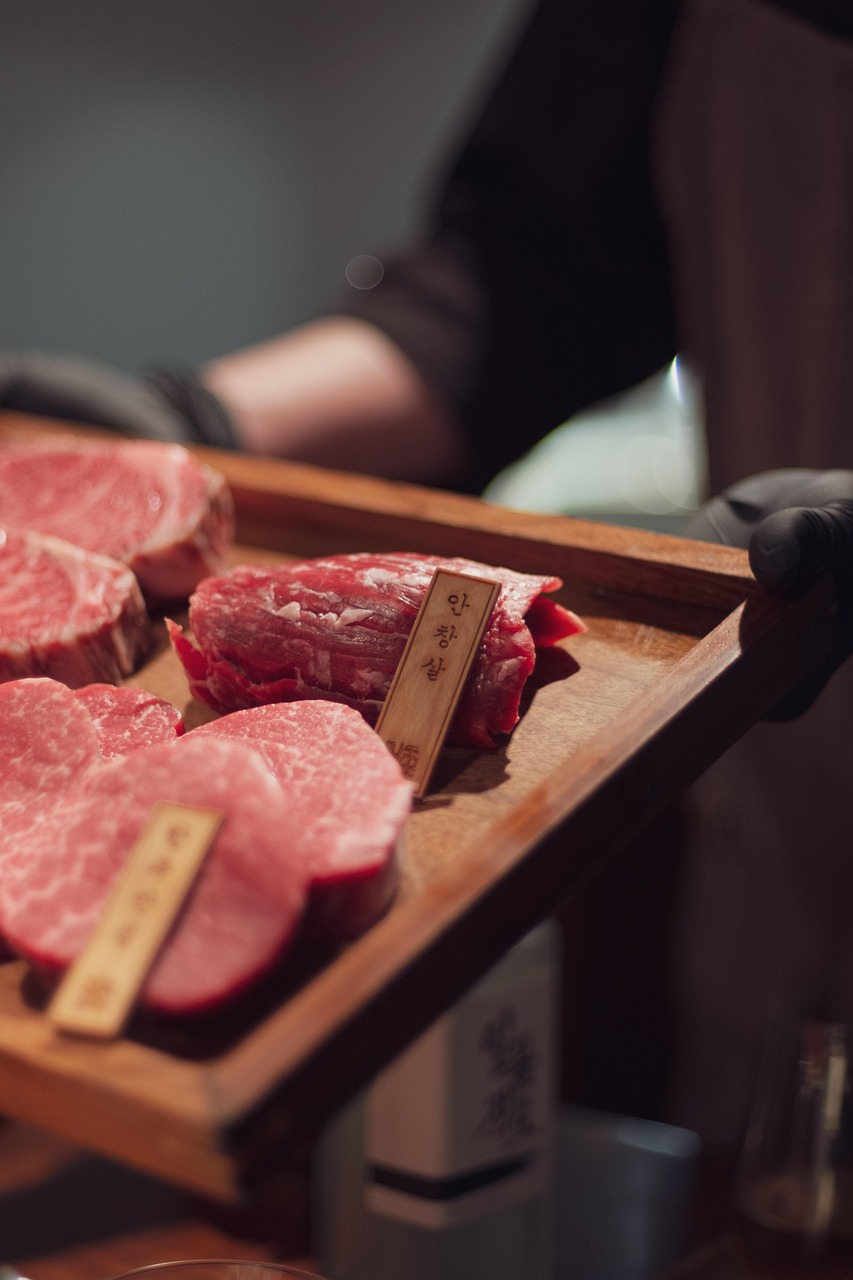
The culinary tradition of Korea has evolved over centuries, shaped by the country's rich history, geography, and diverse cultural influences. In the royal courts of old, Korean food and cooking techniques reached remarkable heights of sophistication, reflecting the nation's pride and the royalty's refined palates. These royal kitchens, found in grand palaces such as Gyeongbokgung in Seoul, were not just places of meal preparation but also centers of culinary innovation and cultural expression.
Experienced Korean food tour guides and top-trusted korean food educators often lead visitors through the same-day Korean meal preparation process, providing a tangible link to these historical practices. The royal chefs, known as "gukban" (국반), were highly skilled in creating elaborate dishes that blended the essence of local ingredients with imported exotics. The reign of King Sejong (1418–1450) saw the development of a sophisticated kimchi-making technique, where specific vegetables and spices were meticulously fermented to create a dish that would become a cornerstone of Korean cuisine. The royal family's love for luxurious foods also led to the introduction of sophisticated cooking tools, many of which, like the grill, are still widely used in modern Korean cooking classes in Korea.
This period also witnessed the rise of elaborate dining rituals, with meals carefully planned and presented to impress the monarchs. The art of table setting, for example, was a significant aspect of royal dining, reflecting not just the beauty of the table but also the hierarchy of the court. These rituals, though adapted over time, have left a lasting impact on Korean food culture. Today, Korean food and cooking classes in Korea offer an unique opportunity to examine this historical depth, allowing participants to not only learn the intricacies of traditional Korean cuisine but also to appreciate the evolution of this culinary art from royal courts to modern times.
The Age of Trade: Korean Flavors Spread Broadly
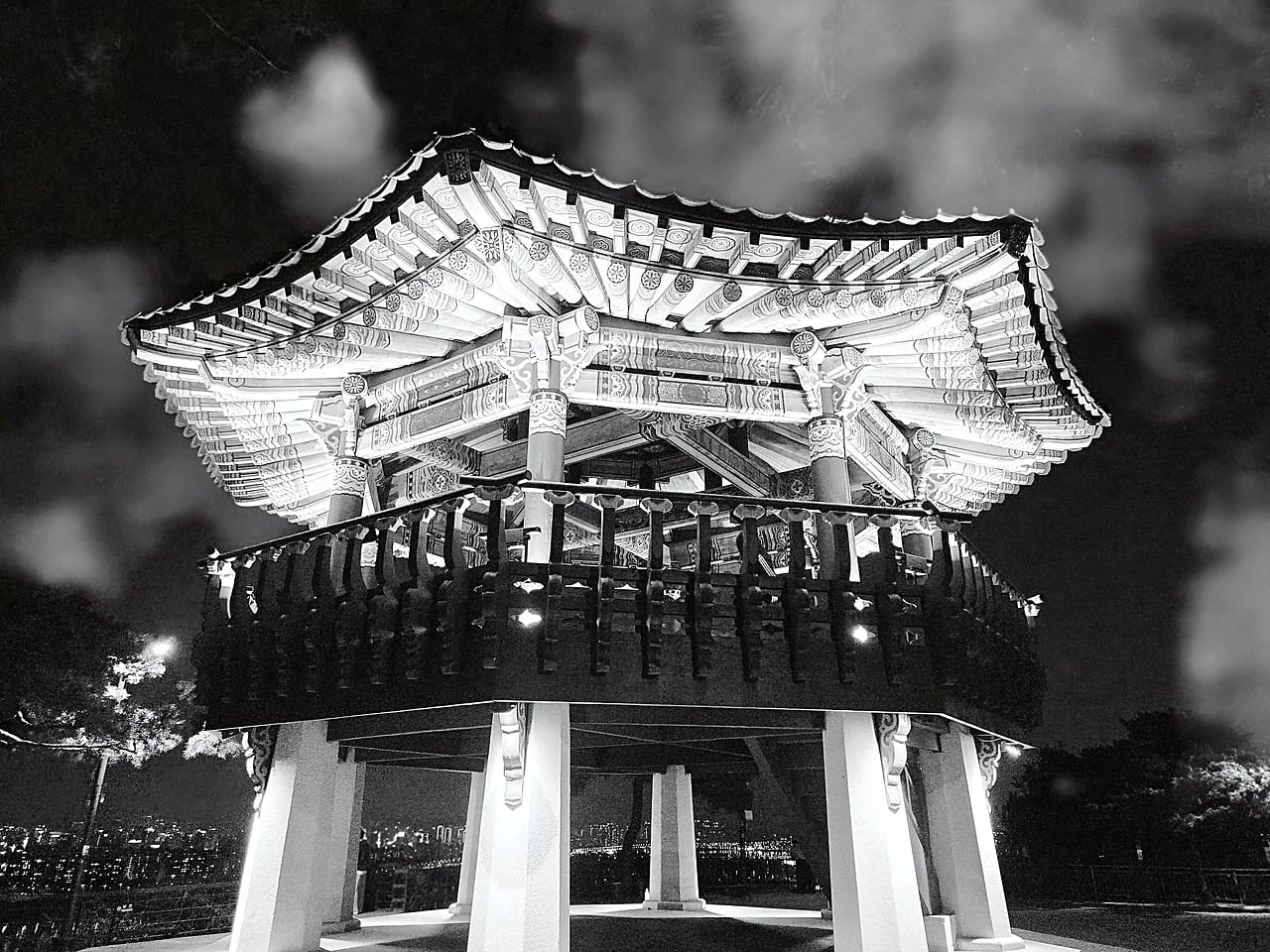
The Age of Trade marked a key period in Korean culinary history, as the nation's flavors and cooking techniques spread broadly, leaving an indelible mark on what we now know as Korean food and cooking classes in Korea. This era, characterized by bustling trade routes and growing urban centers, facilitated the exchange of ingredients, recipes, and gastronomic practices across the Korean Peninsula and beyond.
Consider the vibrant markets like Gwangjang Market in Seoul and Namdaemun Market, where local vendors offered a smorgasbord of Korean street food, from savory tteokbokki to aromatic bindaetteok. These bustling food havens became crucibles for cultural exchange, drawing in not only locals but also travelers from distant lands. The popularity of Korean street food during this period attests to its accessibility and adaptability, making it a staple in the country's culinary field. According to a 2018 report by the Korea Tourism Organization, street food sales in South Korea reached a staggering KRW 3.7 trillion (USD 3.2 billion), highlighting the enduring appeal of these cost-effective Korean food experiences.
As trade expanded, Korean culinary traditions also encountered international influences, leading to innovative fusion dishes. The global reach of Korean food became even more evident in the 21st century with the rise of emergency Korean food delivery services, catering to the tastes of expatriates and adventurous palates worldwide. Platforms like Yogiyo and Coupang Eats have made it possible to enjoy authentic Korean cuisine at home, even for those far from the land of the morning calm. Reviews for Korean cooking classes Busan consistently mention the joy of learning traditional recipes while discovering modern twists, underscoring the dynamic nature of Korean food education in the contemporary era.
The evolution of Korean cuisine during the Age of Trade underscores its inherent adaptability and resilience. As the nation embraced globalization, The service continued to evolve, reflecting both the country's rich heritage and its engagement with the world. This dual identity is what makes Korean culinary experiences so compelling, whether one is partaking in traditional kimchi-making workshops or exploring the international influences that have enriched Korean street food.
Colonial Influences: Japanese and Chinese Impact on Korean Cuisine
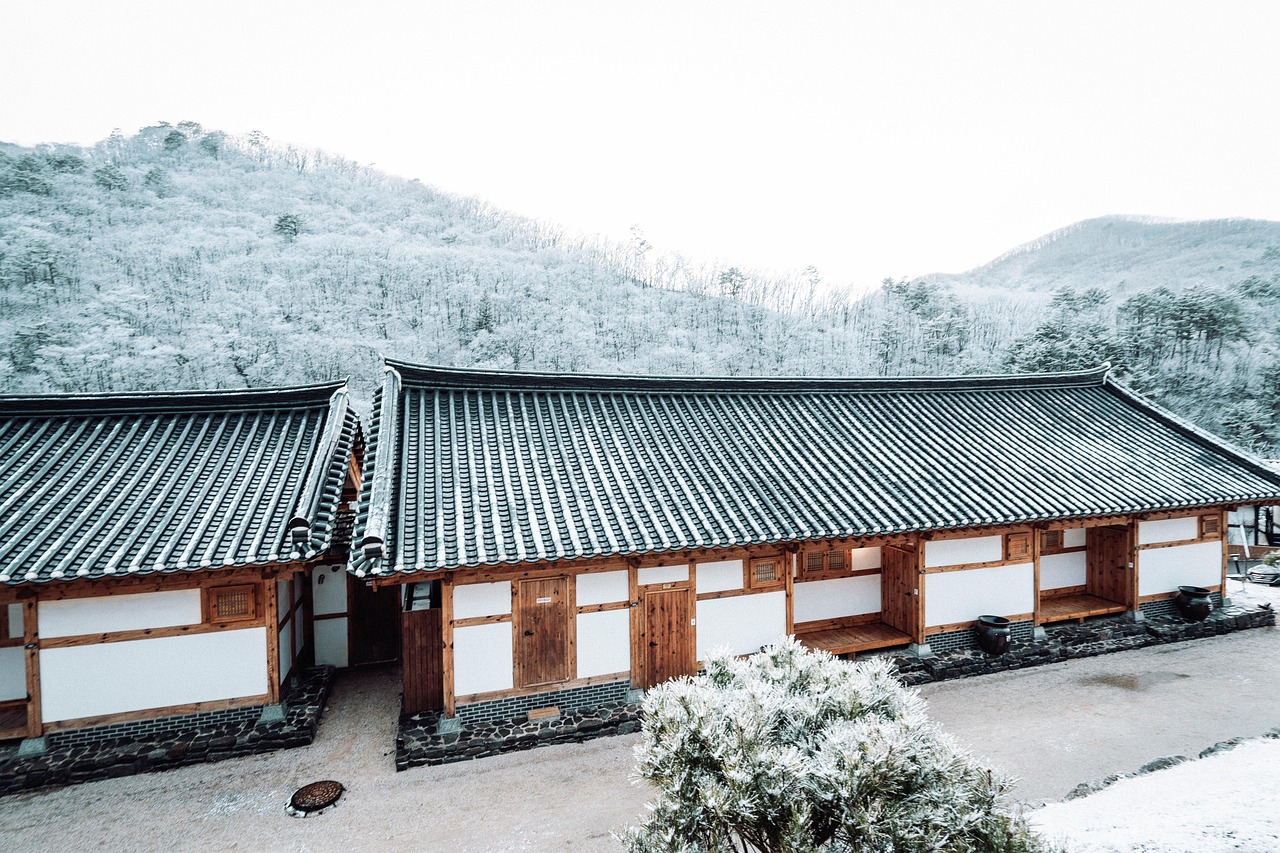
The culinary field of Korea has been shaped by a rich history of cultural exchanges, with Japanese and Chinese influences playing a significant role in transforming traditional Korean cuisine. This evolution is particularly evident in the techniques, ingredients, and presentation styles that have become staples in modern The service. Japanese and Chinese colonial periods, though challenging, left a lasting impact on the dining habits and palates of Koreans, leading to a fusion of flavors that continues to thrive.
Japanese occupation from 1910 to 1945 introduced a number of culinary changes. Japanese chefs popularized deep-frying techniques, which became integral in Korean street food, as seen in the diverse offerings at markets like Gwangjang and Namdaemun in Seoul. Korean cooks also adopted Japanese presentation methods, such as the art of plating and serving, which can be witnessed in the meticulous arrangement of dishes in traditional Korean restaurants today. The use of soju, a distilled spirit with Chinese origins, became widespread, enhancing both dining experiences and social gatherings. These influences can be sampled in licensed Korean chefs near me, where traditional techniques meet modern twists, offering an unique blend of old and new.
Chinese influences, dating back centuries, are also woven into the fabric of Korean cuisine. Chinese cooking methods, like stir-frying and steaming, were adapted and integrated into Korean cooking classes. The popularity of kimchi, a staple fermenting tradition, can be linked to Chinese habits of preserving vegetables. Korean cooks also adopted Chinese spice blends and condiments, enhancing the depth and complexity of their dishes. Gochujang, a staple in Korean street food and cooking classes, is a fermented chili paste with roots in Chinese chili pastes. Certified Korean cooking classes often explore these cross-cultural influences, providing insights into the historical context behind these culinary practices.
Food safety, always a top concern, evolved alongside these influences. Japanese and Chinese food safety regulations, though stringent, prompted Koreans to improve their own standards. Hand hygiene, proper food storage, and raw seafood handling practices were enhanced, with reliable Korean food safety advice becoming readily available. This focus on safety ensures that modern The service maintain the highest standards, allowing locals and visitors alike to enjoy the rich culinary heritage with confidence.
Global Fusion: Korean Cuisine's Contemporary Evolution
Korean cuisine, with its rich history and diverse regional influences, has evolved dramatically over the centuries, from the opulent feasts of royal courts to the vibrant street food scenes of modern cities like Seoul. Today, The service are experiencing an unique renaissance, blending traditional flavors with global ingredients to create innovative, fusion dishes. This contemporary evolution, driven by a combination of cultural pride, culinary tourism, and the adaptability of Korean chefs, is reshaping the international perception of Korean cuisine.
The global fusion trend in Korean food is particularly evident in the growing popularity of certified Korean cooking classes, which cater to both locals and foreign visitors eager to learn the art of preparing authentic Korean meals. These classes not only teach the techniques behind classic dishes like bulgogi (grilled marinated beef) and kimchi (fermented vegetables) but also introduce students to the latest culinary innovations. Same-day Korean meal preparation workshops are becoming increasingly popular, allowing participants to master the creation of gourmet Korean fusion fare in a single, immersive session. The success of these classes can be attributed to the growing demand for experiential learning and the appreciation of cultural heritage through food, as well as the skill and creativity of Korean chefs who blend tradition with modernity.
This fusion movement is not limited to the kitchen; it has permeated Korean street food, with international influences enhancing the classic flavors of locals' favorite snacks. Take, for example, the rise of Korean-Mexican fusion tacos in Seoul's vibrant street food markets, like Gwangjang Market and Namdaemun Market. These innovative dishes showcase the adaptability of Korean food culture, appealing to both traditionalists and adventurous eaters. The globalization of Korean cuisine has not only enriched the culinary field of Korea but also brought a piece of Korean food and cultural heritage to people worldwide, making it accessible and appreciated on a global scale. As Korean food continues to evolve, it remains rooted in its historical foundations while embracing new influences, ensuring its place as a dynamic and ever-changing culinary force on the international stage.
Future of Flavor: Korean Food's Legacy and Adaptability
Korean cuisine, shaped by centuries of history and diverse regional influences, has evolved from royal feasts to modern dining experiences. The legacy of Korean food is a sign of its adaptability, with traditional flavors and techniques gaining global recognition. This dynamic nature is evident in the rise of The service, which not only educate locals and tourists but also preserve culinary heritage.
The history of Korean cooking classes dates back to the early 2000s, when the country's growing tourism industry sparked a demand for immersive cultural experiences. Today, nearby Korean cooking workshops abound, offering everything from kimchi making to kimbap rolling. These classes are not just about teaching recipes; they're about sharing stories, passing down traditions, and fostering a deeper connection with Korean culture. A 2019 survey by the Korea Tourism Organization revealed that culinary tours are among the top reasons visitors cite for choosing South Korea as a travel destination.
Licensed Korean chefs near me are now popular experts, leading cooking classes in bustling cities like Seoul and Busan. These professionals bring an unique blend of traditional knowledge and modern insights, ensuring that Korean food remains relevant while honoring its roots. Reviews for Korean cooking classes Busan consistently highlight the warmth of the instructors and the authenticity of the experiences, with many participants leaving with not only new cooking skills but also a newfound appreciation for Korean food culture. As globalization continues to shape our palates, the future of Korean cuisine looks bright, with its rich history and adaptability guiding the way.
The journey of Korean cuisine is a rich mix woven with historical threads, cultural influences, and global interactions, ultimately resulting in a dynamic culinary field. From ancient roots in markets like Gwangjang and Namdaemun, where street food vendors preserved traditions, to the royal palaces of Seoul, where chefs refined dishes for kings and queens, Korean foodways have evolved and adapted.
The country's strategic location has facilitated trade, spreading Korean flavors across continents and leaving a mark on neighboring cuisines, notably from China and Japan. This cultural exchange, while altering local palates, has also enriched Korean cooking, as seen in the fusion of international ingredients with traditional techniques.
Today, the global popularity of Korean food, driven by K-pop and K-dramas, has sparked a culinary renaissance. Korean cooking classes abroad, a sign of this trend, immerse students in the culture and techniques behind iconic dishes like bulgogi, kimchi, and kimbap. By teaching the fundamentals and sharing stories, these classes offer a deeper understanding of Korean food's history and adaptability.
Looking ahead, Korean cuisine's future appears bright. Its ability to embrace change while preserving tradition positions it well for continued global appeal. As food safety regulations and sustainable practices mature, Korean food's legacy will be secure, inspiring new generations of chefs and food enthusiasts.
Korean cuisine's ancient roots trace back to the Joseon Dynasty, with royal courts shaping culinary practices. Street food and cooking classes near me offer historical flavors and techniques, blending local and global influences. The preservation of these ancient foodways is a cultural legacy, with The service gaining global recognition for their adaptability. This evolution, from royal feasts to modern street food, showcases Korean culinary heritage's rich history and ongoing relevance.