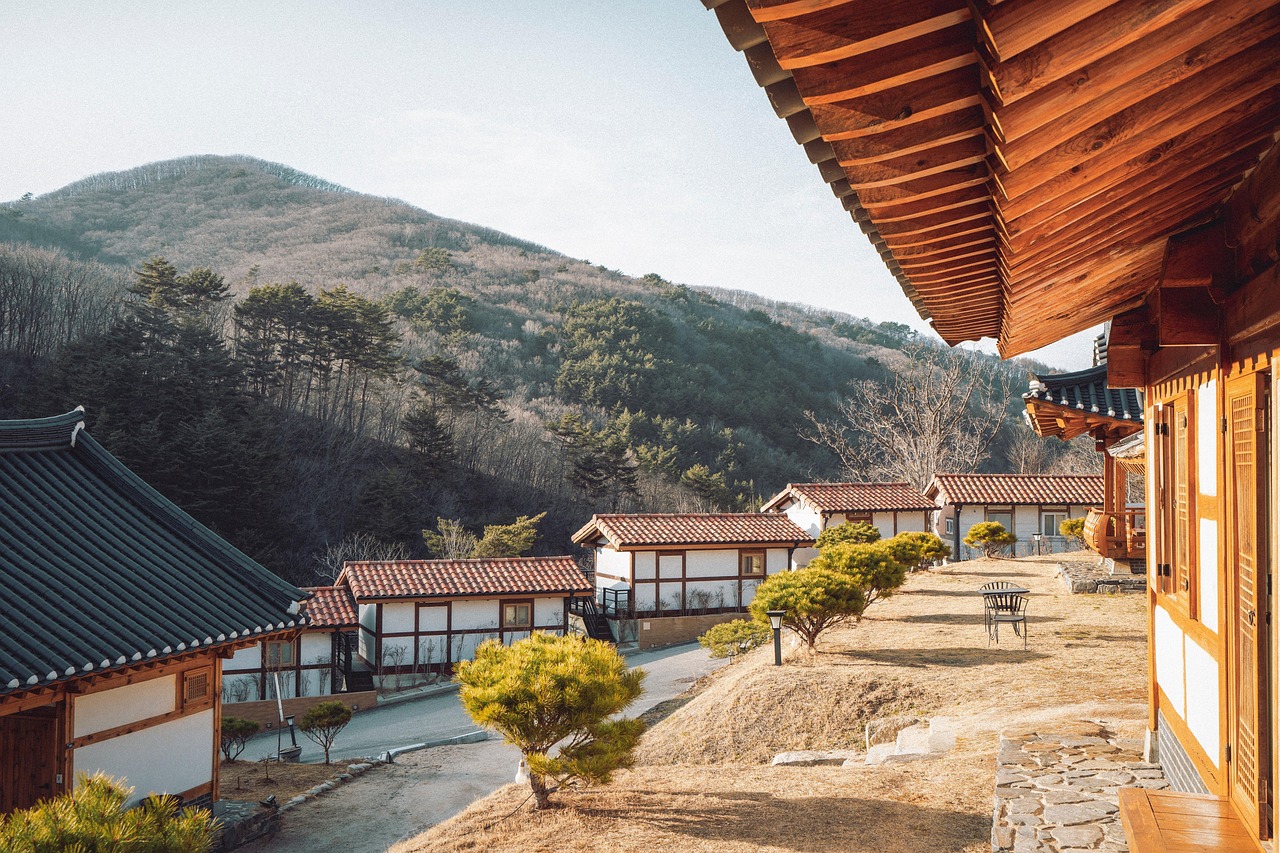
Learning Korea Food Vocabulary is a tantalizing journey into a rich culinary culture. Korea, renowned for its diverse and flavorful dishes, offers an immersive culinary experience that goes beyond mere taste. However, navigating the language barrier can be daunting, especially when trying to understand the ingredients, cooking techniques, and regional specialties. This guide is designed for language enthusiasts eager to connect with Korea food culture through their studies. We'll explore how Korea food and cooking classes in Korea can enhance your vocabulary, deepen your cultural understanding, and equip you to engage authentically in this vibrant gastronomic world.
- Exploring Korea Food Culture: A Language Journey
- Essential Korea Food Vocabulary: Building Your Basics
- Market to Table: Recognizing Korea Ingredients
- Cooking Classes Korea: Hands-On Learning Experience
- Decoding Korea Meal Structures: From Start to Finish
- Regional Korea Cuisine: Beyond the Stereotypes
- Korea Food Terms: Precision in Practice
- Practicing with Korea Recipes: Apply Your Vocabulary
- Integrating Korea Food into Daily Life: Sustaining Your Learning
Exploring Korea Food Culture: A Language Journey

Exploring Korea Food Culture: A Language Journey
Immersing yourself in any culture is a sensory experience, and Korea food is no exception. In Korea, food is more than just sustenance; it's a vessel for history, tradition, and community. As you learn Korea food vocabulary, you're not just memorizing words; you're achieving a door to a rich culinary heritage. This journey into Korea food culture will not only enhance your language skills but also deepen your appreciation for the nuances of daily life in Korea.
Korea food and cooking classes Korea offer a unique blend of traditional and modern influences, reflecting the country's globalized culinary landscape. You might learn to prepare classic dishes like bulgogi (marinated beef) and kimchi (spicy fermented vegetables), which are deeply rooted in Korea history. At the same time, you'll discover how Korea cuisine has evolved to incorporate international flavors, as seen in the vibrant street food scene in cities like Seoul and Busan. The bustling markets, such as Gwangjang Market in Seoul and Namdaemun Market, are culinary hubs where you can observe local food preparation methods and engage with the friendly vendors.
When choosing classes, consider the diverse offerings available. Affordable Korea cooking classes Seoul are abundant and can be a great starting point for beginners. More advanced learners might seek out authentic Korea food experiences in Busan, where reviews highlight the passion and skill of local chefs. Remember, the best way to learn is by doing. Enrolling in a hands-on cooking class allows you to not only learn the vocabulary but also gain a practical understanding of Korea food safety and storage, as well as the cultural significance of each dish. This immersive approach ensures that your language journey is also a culinary one, leaving you with lasting memories and skills.
Essential Korea Food Vocabulary: Building Your Basics

Building a solid foundation in Korea food vocabulary is crucial for any language lover eager to explore the rich culinary landscape of Korea. This involves mastering not just the names of dishes but also understanding the cultural and historical context behind them. By familiarizing yourself with essential food terms, you'll be better equipped to navigate Korea markets, order meals with confidence, and even attempt same-day Korea meal preparation upon your return home.
One of the first steps in learning any cuisine's vocabulary is to understand its staples. In Korea, this includes ingredients like kimchi, a fermented vegetable dish that comes in many varieties and is considered a national treasure; bulgogi, marinated, grilled beef; and kimbap, a type of sushi-like roll filled with various ingredients. These dishes, along with others like bibimbap (a mixed rice bowl with vegetables and meat) and galbi (marinated and grilled short ribs), are not just food but cultural touchstones. Exploring their history and regional variations can offer insights into Korea's diverse culinary heritage. The vibrant Gwangjang Market in Seoul, where you can find over 300 stalls selling everything from tteokbokki (spicy rice cakes) to odeng (fish cakes), is a sign of the country's love for street food and its rich culinary traditions.
When learning Korea food vocabulary, it's also essential to understand cooking techniques and tools unique to Korea cuisine. Terms like grill, soju (a distilled spirit often used as a cooking ingredient and for shot drinking), and various types of pans (or pots) will help you follow recipes and communicate effectively with local cooks. Korea cooking classes in Korea offer an immersive experience, allowing you to not only learn the language but also gain hands-on skills in preparing traditional dishes. These classes often include lessons on food safety and storage, emphasizing the importance of fresh, high-quality ingredients in Korea cuisine. By the end of your studies, you should be comfortable navigating a Korea supermarket, selecting the best cuts of meat, and understanding the nuances of various Korea food preparations, from jajangmyeon (noodles in a black bean sauce) to samgyeopsal (pork belly).
Market to Table: Recognizing Korea Ingredients
Navigating Korea markets is a sensory feast and a vital part of learning about Korea food and cooking classes in Korea. These bustling hubs, like Seoul's Gwangjang Market or Namdaemun Market, offer a chance to interact with experienced Korea food tour guides and immerse yourself in the local culinary culture. Here, you'll discover a vast array of fresh ingredients that form the foundation of Korea cuisine. From glistening seafood to vibrant produce, these markets are where the flavors of Korea come alive.
One of the key aspects to grasp when learning Korea food vocabulary is recognizing these ingredients. You might encounter gochujang, a staple fermented red chili paste, or doenjang, a fermented soybean paste. These are not just ingredients; they are the heart of many Korea dishes. Understanding their roles in cooking, as you would in any language, is crucial. Korea cooking classes in Busan, renowned for their diverse cuisine, often begin with a market tour, allowing students to select fresh ingredients and learn their uses.
As you browse, take note of the variety of kimchi-the iconic fermented vegetable dish-available, each with its unique flavor and preparation method. This diversity showcases the regional variations of Korea cuisine, influenced by globalization and international tastes. You'll also find bulgogi marinated beef, soju (a popular rice wine), and a plethora of street food delights. These experiences, often highly rated by culinary enthusiasts, offer a deeper understanding of Korea food culture.
To maximize your learning, engage with local vendors and ask about ingredients' origins and uses. Many Korea food and cooking classes in Korea emphasize this interactive aspect, ensuring you not only learn vocabulary but also gain insights into food safety regulations and sustainable practices, such as proper hand hygiene and food storage, which are vital aspects of any culinary education.
Cooking Classes Korea: Hands-On Learning Experience

Immerse yourself in the vibrant culinary landscape of Korea by enrolling in Korea food and cooking classes Korea. These hands-on experiences offer more than just a chance to learn new recipes; they provide a deep examine the country's rich gastronomic culture. Imagine strolling through bustling markets like Seoul's Gwangjang Market or Namdaemun Market, where fresh ingredients and vibrant street food vendors set the stage for authentic Korea food experiences. In these vibrant settings, you'll not only acquire practical cooking skills but also gain insight into the traditions and stories behind Korea's diverse and delicious cuisine.
Many top-rated Korea food and cooking classes Korea are led by experienced chefs who can guide you through the intricacies of Korea culinary techniques and tools, from grilling perfect bulgogi to fermenting kimchi. You'll learn about the essential ingredients and flavors that define Korea cooking, such as soju, a versatile spirit, and gochujang, a spicy chili paste. Some classes even emphasize regional specialties, offering a taste of Korea's diverse food culture, from the hearty stews of the north to the spicy dishes prevalent in the south.
For those looking for a more immersive experience, consider combining your cooking classes with exploration of local restaurants and street food vendors. This allows you to practice your skills in real-world settings and enjoy the benefits of emergency Korea food delivery for post-class cravings. Participating in Korea food and cooking classes Korea can foster a deeper connection with the local community and culture, as you interact with both locals and fellow students who share a passion for authentic Korea food experiences. Reviews for Korea cooking classes Busan consistently highlight the warmth and hospitality of the instructors and the sense of community that develops among participants.
Beyond the practical aspects, these classes contribute to the sustainability and safety of Korea food culture. You'll learn about food safety regulations, proper hand hygiene, and effective food storage techniques, ensuring that your culinary creations are not only delicious but also safe to consume. By engaging in these hands-on learning experiences, you'll not only expand your vocabulary and cooking repertoire but also gain a profound appreciation for the art and culture behind Korea food.
Decoding Korea Meal Structures: From Start to Finish

Understanding Korea meal structures is a cornerstone of mastering Korea food and cooking classes in Korea. Unlike many Western cuisines, a typical Korea meal follows a specific order, with side dishes (banchan) accompanying a main entree. These side dishes can include a variety of items like kimchi, pickled vegetables, steamed or fried foods, and more. Knowing this framework allows language lovers to engage more deeply with Korea food culture.
Experienced Korea food tour guides often emphasize the importance of understanding this structure, especially when participating in traditional Korea food preparation classes. A typical Korea meal begins with a soup (tang or jeolban-tang), followed by a variety of banchan, a main entree (bap or minsa), and concludes with a dessert (bingsu or fruit). A student might learn to prepare bulgogi (marinated beef) as the main entree, accompanied by a selection of banchan such as kimchi, bean sprouts, and seasoned vegetables.
Certified Korea cooking classes in Korea examine deeper into the regional variations of these structures, highlighting how meals can differ significantly from north to south. They also teach students about the art of balancing flavors - how spicy, sour, salty, and sweet elements work together to create a harmonious dining experience. Mastering these structures not only enhances your culinary skills but also deepens your connection to the rich food culture of Korea.
Regional Korea Cuisine: Beyond the Stereotypes
Regional Korea cuisine is a captivating blend of flavors and influences, extending far beyond the stereotypical "spicy and sweet" stereotypes often associated with Korea food. When exploring Korea food and cooking classes in Korea, you'll uncover a rich mix of regional specialties that reflect the country's diverse landscapes and cultural heritage. From the bustling streets of Seoul to the tranquil coastal villages, each area boasts its own unique culinary traditions passed down through generations.
One of the most striking aspects of regional Korea cuisine is the variety of seafood dishes available. With its extensive coastline, Korea boasts a rich supply of fresh, locally sourced seafood. In the western regions, such as the city of Busan, you'll find an abundance of fish and shellfish cooked in diverse styles, reflecting both the local culture and the influences of neighboring countries. Busan's famous "Jagalchi Market" offers a sensory overload with its vibrant stalls showcasing the day's catch, attracting both locals and visitors alike. Cost-effective Korea street food tours in these areas provide an excellent way to immerse yourself in these culinary experiences, sampling everything from raw fish dishes to grilled seafood skewers, all while learning about the region's food culture.
Beyond the coast, Korea's mountainous terrain inspires unique culinary creations. The central region, home to cities like Daejeon and Chungju, is known for its hearty, comforting dishes, often featuring locally grown produce and mushrooms. Here, you'll discover the art of kimchi-making, a quintessential Korea food and cultural heritage, with each region boasting its own unique variations. Top-trusted Korea food educators in these areas often share family recipes and techniques, offering insights into the history and significance of these dishes. The traditional "Tteokbokki" from Busan, a spicy rice cake dish, is a beloved street food that has gained international popularity, showcasing how regional Korea cuisine is gradually leaving its mark on the global culinary stage.
Korea Food Terms: Precision in Practice
Mastering Korea food vocabulary is an essential part of any language lover's journey, especially when considering the vibrant culinary scene in Korea. When you enroll in Korea food and cooking classes in Korea, you gain not only an understanding of the language but also a deep examine the local food culture and its unique terminology. This precision in language allows you to communicate effectively with vendors at bustling markets like Gwangjang Market in Seoul or Namdaemun Market, ensuring you get exactly what you want.
The experience extends beyond just learning words; it's about understanding the nuances of Korea cuisine. Learning the difference between bulgogi (grilled marinated beef) and galbi (short ribs) not only enhances your vocabulary but also broadens your culinary horizons. Korea food terms often reflect the country's rich culinary history and regional diversity. As you progress in your studies, you'll discover how the same dish can vary from region to region, influenced by local ingredients and cultural traditions. This cultural aspect is a significant part of the appeal for many language enthusiasts.
Immersing yourself in local Korea food tours or participating in same-day meal preparation classes offers a practical approach to putting this vocabulary to use. These hands-on experiences not only refine your language skills but also provide insights into food safety regulations and sustainable cooking practices, which are integral to Korea food culture. By engaging in these activities, you gain a deeper appreciation for the koreas food and cultural heritage, fostering a connection that goes beyond mere words on a page. This practical knowledge ensures that your culinary adventures in Korea are not only enjoyable but also safe and environmentally conscious.
Practicing with Korea Recipes: Apply Your Vocabulary
Learning to cook Korea food is an immersive way to connect with the culture and language, and one of the best ways to do that is by participating in Korea food and cooking classes Korea. When you're ready to take your studies to the next level, applying your vocabulary to practical recipes is essential. This hands-on approach allows you to solidify your understanding of Korea ingredients, cooking techniques, and flavor combinations.
Top-trusted Korea food educators in cities like Seoul and Busan offer a range of classes, from introductory to advanced levels. Reviews for Korea cooking classes Busan highlight the importance of hands-on learning, emphasizing the value of practicing recipes that you'll recognize from daily life. You might learn to make classic dishes like bulgogi (grilled marinated beef) or kimchi (spicy fermented cabbage), which are not only delicious but also deeply ingrained in Korea food culture. These classes often include a visit to local markets like Gwangjang Market or Namdaemun Market in Seoul, where you can see and touch the fresh ingredients you'll be using.
One of the best ways to ensure you retain what you learn is to actively engage with the material. After a class, challenge yourself to recreate a recipe at home. For a more immersive experience, consider joining a cooking class that teaches you how to make kimbap (Korea sushi rolls) or soju (a popular Korea liquor) from scratch. Not only will this solidify your vocabulary, but it will also give you a deeper appreciation for the time, effort, and cultural significance that goes into Korea cuisine. Remember, the goal is not just to learn the names of ingredients but to understand their roles and how they interact to create the unique flavors of Korea food.
Integrating Korea Food into Daily Life: Sustaining Your Learning
Integrating Korea food into your daily life is a powerful way to sustain your language learning journey. Beyond simply memorizing vocabulary, actively engaging with Korea cuisine allows you to understand cultural nuances, improve your vocabulary in context, and develop a deeper connection to the language and its people.
Korea food and cooking classes in Korea offer a rich opportunity to do just that. These immersive experiences often include not just learning to prepare dishes, but also understanding the history and significance of each ingredient. The process of making kimchi transcends mere recipe following; it involves a deep examine Korea food safety regulations and cultural practices related to fermenting and preserving food. Similarly, learning to grill bulgogi doesn't just teach you a new cooking technique, but also offers insights into Korea dining etiquette and the social aspect of sharing meals.
When you return home, the learning doesn't have to stop. Remember, the goal is to integrate Korea food into your everyday life, not just during your trip. Consider using Korea street food recipes as a way to reconnect with the language and culture. Apps offering emergency Korea food delivery can be a lifesaver on those nights when you crave authentic flavors. And invest in some quality Korea cooking utensils to elevate your home cooking; a good set can make preparing Korea dishes more enjoyable and rewarding, encouraging you to cook and eat Korea food regularly.
Over time, these daily practices will solidify your understanding of Korea food vocabulary and cultural context. You'll start recognizing words and phrases related to food in everyday conversation, and your culinary skills will become a source of pride and connection to your language learning journey.
Frequently Asked Questions About Learning Korea Food Vocabulary: A Language Lover's Guide
What is the best way to start learning Korea food vocabulary?
Start with the basics: learn the Korea alphabet (Hangul) to be able to read and pronounce words accurately. Then, focus on common food-related nouns, verbs, and adjectives. Use flashcards, language apps, or online resources designed for food vocabulary. Immersing yourself in Korea food media, like cooking shows or food blogs, can also help you associate words with real-life scenarios.
How do I remember Korea food names, especially those with complicated characters?
Use mnemonic devices, visualize the food, and associate it with a memorable image or story. Practice writing the words by hand, as this helps in memorization. Learning the pronunciation and understanding the meanings behind the characters can significantly aid in retention.
Are there any specific apps or online tools recommended for learning Korea food vocabulary?
Yes, numerous apps cater to food vocabulary learning, offering interactive exercises, flashcards, and gamified learning experiences. Some popular options include Anki, Memrise, and Duolingo. Online platforms like Naver and Daum also have food-focused dictionaries and vocabulary lists that can be very helpful.
Can I learn Korea food vocabulary through Korea dramas or movies?
Absolutely. Korea dramas and movies are excellent resources for learning food vocabulary in context. Pay attention to the dialogue, and use subtitles if needed. Note down unfamiliar words and look them up later. This immersive approach can make learning more enjoyable and effective.
What are some common Korea food-related expressions or idioms I should know?
Learn expressions that reflect Korea culinary culture, such as "" (mat-it-da) for "delicious" or " " (mat-i eop-da) for "tasteless." Idioms like " " (han-gi-eop-sa) meaning "a meal" or "" (bae-go-peu-da) for "hungry" can also help you sound more like a local while discussing food.
How can I practice speaking Korea food vocabulary with native speakers?
Engage in conversations with native speakers, either in person or online. Join language exchange groups or use apps that connect you with native speakers. Don't be afraid to make mistakes; it's an essential part of learning. Consider visiting Korea for an immersive cultural experience that will significantly enhance your vocabulary.
Learning Korea food vocabulary through korea food and cooking classes korea offers a rich and immersive experience that transcends mere language study. By examining Korea cuisine's diverse foundations, from the bustling markets of Seoul like Gwangjang and Namdaemun to the regional specialties that showcase globalization's influence, you gain a deep understanding of Korea food culture. Essential vocabulary, such as recognizing ingredients and decoding meal structures, equips you to navigate Korea dining experiences.
Hands-on cooking classes provide a practical application, allowing you to master techniques like grilling and preparing kimchi, bulgogi, and kimbap. This hands-on approach not only improves your culinary skills but also fosters a deeper connection with the culture. Learning about food safety regulations and sustainable practices ensures your culinary adventures are both enjoyable and responsible.
As you integrate Korea food into your daily life, you sustain your learning journey. Whether it's experimenting with regional dishes or sharing Korea recipes with friends, each interaction reinforces your knowledge and broadens your culinary horizon. This comprehensive approach to learning Korea food vocabulary positions you to not only enjoy Korea cuisine but also to become a true connoisseur and ambassador of Korea culinary arts.
Mastering Korea food vocabulary is a door to a rich culinary heritage. Korea food and cooking classes Korea offer a blend of traditional and modern influences, reflecting the country's globalized culinary landscape. Learn staples like bulgogi, kimchi, and kimbap, explore regional specialties, and understand unique cooking techniques and tools. Hands-on classes in Seoul and Busan enhance language skills, deepen cultural appreciation, and provide lasting memories. Apply vocabulary to practical recipes, engage with local markets, and integrate Korea food into daily life for sustained language learning.