
Korea cuisine has gained worldwide popularity for its rich flavors, diverse textures, and vibrant presentation. However, many home cooks struggle to replicate the authenticity and depth of Korea dishes without proper guidance. This is where Korea food and cooking classes in Korea step in as a valuable resource. These classes offer a unique opportunity to learn from expert chefs who can teach the intricacies of Korea culinary traditions, from basic techniques to regional specialties. By mastering authentic Korea recipes, home cooks can not only enjoy the delicious results but also gain a deeper appreciation for Korea's diverse food culture. In this article, we'll explore the top 10 authentic Korea recipes tailored for home cooks, drawing from the wealth of knowledge available through Korea food and cooking classes in Korea.
- Understanding Korea Food: History and Cultural Significance
- Essential Korea Ingredients: A Shopping Guide for Home Cooks
- Master the Basics: Korea Cooking Techniques and Tools
- Classic Dishes: 5 Iconic Korea Recipes to Try at Home
- Regional Variations: Exploring Korea's Diverse Culinary Landscapes
- Korea Food Safety: Best Practices for Home Cooking
- Cooking Classes Korea: Immersive Learning for Serious Foodies
- Pairing and Presentation: Elevating Your Korea Meal Experience
- Creating Your Own Korea Menu: Tips for Personalized Hosting
Understanding Korea Food: History and Cultural Significance

Korea food and cooking classes in Korea offer a window into a rich culinary history and culture that extends far beyond spicy gochujang or crispy kimchi. To truly understand Korea food, one must examine its roots, shaped by centuries of migration, trade, and political upheaval. This dynamic cuisine reflects the diverse regions of Korea, each with its unique terroir and influences.
Historically, Korea food has been a sign of the country's geography. From the rocky coastlines providing a bounty of seafood to the fertile rice paddies, the availability of ingredients has driven the development of distinct regional cuisines. Take, for instance, the vibrant street food culture of Seoul, where vendors serve up a mix of traditional and modern dishes influenced by globalization. Similarly, the south of Korea boasts a spicier palate, likely due to the abundance of chili peppers, while the north is known for its hearty stews and soups, reflecting a need for sustenance in colder climates.
The culture of Korea food preparation itself is a significant aspect of its significance. Meals are typically shared from a central table, emphasizing community and connection. Cooking techniques, such as grilling (bibimbap) and fermenting (kimchi), are passed down through generations, reflecting a deep sense of tradition. The role of food in Korea culture extends beyond sustenance; it's a way to celebrate, honor, and connect with history and each other. Consider the communal experience of making kimchi, a ritual that brings families together each autumn.
When exploring Korea food and cooking classes in Korea, licensed Korea chefs near me can offer invaluable insights into these nuances. These professionals can teach you not just the recipes but also the stories, traditions, and cultural significance behind each dish. Learning to prepare a proper bulgogi, marinated beef grilled with scallions and soy sauce, can reveal the importance of sharing and generosity in Korea hospitality. Even emergency Korea food delivery services, while modern, often reflect these same values, bringing comfort and community to your door during busy times.
Essential Korea Ingredients: A Shopping Guide for Home Cooks

When navigating the world of Korea food and cooking classes in Korea, understanding the essential ingredients is crucial for both authenticity and food safety. This guide will help home cooks recreate the rich flavors of Korea in their own kitchens.
Korea cuisine is renowned for its vibrant, umami-rich profiles, achieved through a combination of fresh, seasonal produce, fermented staples, and aromatic spices. Key ingredients to stock include gochujang (chili paste), doenjang (fermented soybean paste), and miso, forming the base of many savory dishes. Rice is a staple, paired with side dishes like kimchi and various types of pickled vegetables, known as saengchae. Don't overlook the power of scallions, garlic, and ginger, adding pungent, aromatic notes to many recipes. For protein, Korea food relies on a variety of techniques-grilling, braising, and marinating-using beef, pork, poultry, and an array of seafood, fresh and raw.
Shopping for these ingredients in Korea is an adventure in itself. Visit bustling markets like Gwangjang or Namdaemun for a sensory overload. Local vendors offer fresh, locally-sourced products, ensuring the best flavor and, with careful selection, reliable food safety. When choosing seafood, experienced Korea food tour guides recommend selecting firm, vibrant-colored options, avoiding those that smell fishy or appear slimy. These markets are also ideal for discovering unique regional specialties and learning about local food culture, a vital part of any culinary education, whether in a class or at home.
When preparing Korea dishes, remember that balance is key. The "five flavors" of Chinese origin-salty, sweet, bitter, spicy, and sour-are often combined in harmony. This balance, along with the proper use of cooking techniques and tools, such as the grill or soju (for marinating), will result in authentic, delicious Korea meals. Following these guidelines and seeking reliable Korea food safety advice will ensure your culinary journey into the heart of Korea is both enjoyable and safe.
Master the Basics: Korea Cooking Techniques and Tools
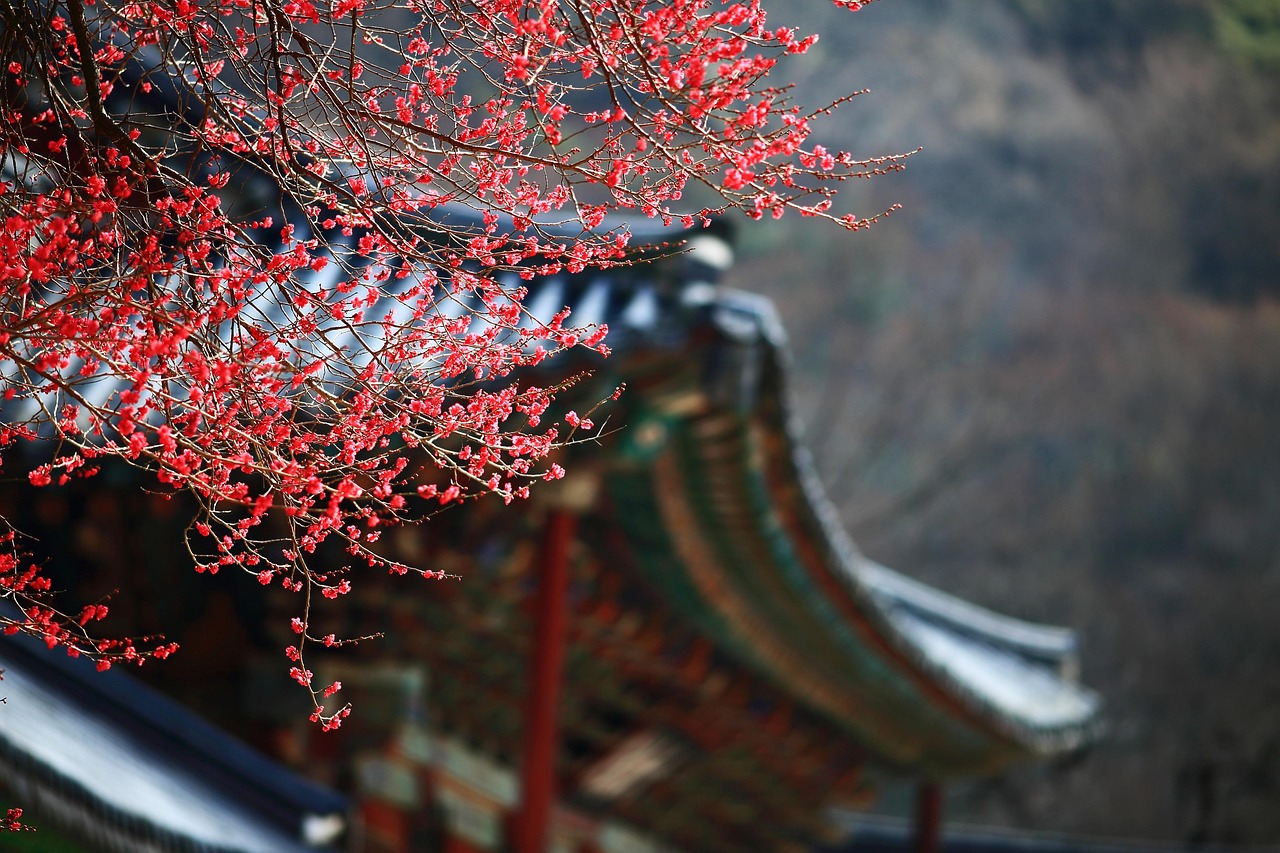
To master Korea cooking, understanding the fundamental techniques and tools is essential. In Korea food and cooking classes Korea, instructors often emphasize the importance of these basics, which form the backbone of authentic Korea cuisine. One of the key techniques is grilling, a method used for various dishes from marinated beef to seafood. Students learn to control heat and use special grills, like the traditional bbq grill, to achieve the perfect sear and flavor.
Similarly, Korea cooking relies heavily on fermenting and pickling, as evidenced by the ubiquitous kimchi. Making kimchi is an art taught in many nearby Korea cooking workshops, where participants learn about the various types of kimchi, the spices, and the careful balancing of flavors. Another essential tool is the soju, a clear distilled spirit used not only for drinking but also as a cooking ingredient, adding depth and umami to dishes.
The bulgogi, a popular grilled marinated beef dish, showcases another fundamental technique: thin slicing and marinating. Students learn the proper cutting techniques and the art of marinating meat to achieve the signature bulgogi taste. Beyond techniques, Korea cooking classes introduce students to traditional tools like wooden spoons, clay pots, and stainless steel bowls, each serving a specific purpose in the preparation and cooking process.
For those interested in experiencing Korea food and culture events near me, many cities host festivals and pop-up dinners that offer opportunities to learn and taste traditional dishes. Even with just a few hours' notice, same-day Korea meal preparation classes are available, allowing home cooks to quickly immerse themselves in the rich culinary heritage of Korea. These classes not only teach practical skills but also convey the joy and community aspect of Korea dining, making it accessible to everyone, regardless of their location.
Classic Dishes: 5 Iconic Korea Recipes to Try at Home
When exploring authentic Korea food experiences, examining classic dishes is essential. These time-tested recipes offer a gateway into the heart of Korea culinary traditions. Korea's vibrant food culture is renowned worldwide, and home cooks can now recreate five iconic dishes that have become the cornerstone of Korea cuisine.
At the heart of Korea cooking are ingredients that are fresh, flavorful, and often fermented. One of the most famous Korea street food recipes, Kimchi, exemplifies this. This savory, spicy fermented vegetable dish is a staple across Korea and a cornerstone of many Korea meals. Learning to make kimchi at home involves a simple process of fermenting napa cabbage with a blend of spices and gochugaru (chili powder), resulting in a vibrant, tangy flavor. Similarly, Bulgogi, a grilled marinated beef dish, showcases another classic Korea cooking technique. The meticulous preparation of thin, tender slices of beef marinated in a sweet and savory sauce is a sign of the skill of experienced Korea food tour guides.
Another iconic Korea dish, Bibimbap, is a colorful and nutritious bowl of rice topped with an array of vegetables, meat, and a fried egg. This dish's popularity has spread globally, but its authentic preparation starts with a deep understanding of Korea street food vendors' techniques. By combining various textures and flavors in one bowl, Bibimbap offers a comprehensive taste of Korea. For those seeking a challenge, Kimchi Jjigae, a spicy stew made with kimchi and various meats, is a delightful option. This hearty dish is not only comforting but also showcases the creativity of Korea cuisine, blending the familiar with the bold.
Lastly, Gimbap, or Korea sushi rolls, are a delightful fusion of flavors and textures. These portable, hand-rolled snacks are a favorite among locals and tourists alike. Learning these classic dishes at home not only provides an authentic Korea food experience but also fosters an appreciation for the country's rich culinary heritage.
Regional Variations: Exploring Korea's Diverse Culinary Landscapes
Korea, a culinary melting pot of diverse regional flavors, offers a fascinating journey for home cooks eager to explore its authentic tastes. While Korea food and cooking classes in Korea provide a comprehensive understanding of the country's culinary traditions, regional variations add a unique layer of complexity and charm. Each province, city, and even neighborhood boasts its own distinct cooking styles, ingredients, and dishes, making Korea cuisine a vibrant mix of local influences.
The bustling streets of Seoul, a metropolis where tradition meets modernity, showcase a fusion of diverse culinary landscapes. Here, you might find a street vendor preparing a spicy, stew-like jjigae in a vibrant, bustling market like Gwangjang or Namdaemun. These markets, teeming with local produce and specialties, are a foodie's paradise and a sign of Korea's rich culinary heritage. In contrast, the coastal regions, like the island of Jeju, are renowned for their fresh seafood and unique flavors, where a dish like heukdwaeji gukbap (black pork rice soup) is a local delicacy. Regional variations also extend to the preservation techniques, with kimchi and pajik (fermented vegetables) varying from one area to another, reflecting the local climate and culinary preferences.
Certified Korea cooking classes in Korea or nearby workshops offer a structured way to examine these regional differences. These classes, often led by expert chefs who have been passed down recipes and techniques through generations, provide hands-on experiences. Students not only learn to prepare classic dishes but also understand the cultural significance and history behind them. Exploring nearby Korea food and culture events can offer a deeper connection to the community, allowing you to immerse yourself in the rich traditions and flavors that define Korea's diverse culinary landscapes.
Korea Food Safety: Best Practices for Home Cooking
Korea food safety is a crucial aspect of enjoying authentic Korea recipes at home. When preparing Korea dishes, it's essential to follow best practices to ensure the integrity and quality of your meals, respecting the cultural heritage and nutritional values of Korea cuisine. A deep understanding of food safety regulations, proper handling techniques, and the unique characteristics of Korea ingredients is key. Raw seafood, a staple in many Korea dishes, requires strict adherence to hand hygiene and food storage guidelines to prevent foodborne illnesses.
In Korea, food safety is a serious matter, with strict regulations governing everything from market vendors at vibrant places like Gwangjang Market and Namdaemun Market to licensed Korea chefs who instruct cooking classes. Home cooks can benefit from these expert-led classes, which often include modules on food safety and proper cooking techniques. These practices extend beyond the kitchen, encompassing everything from the selection and preparation of ingredients to the cooking methods and storage of leftovers. Korea cooking classes emphasize the importance of marinating meat thoroughly, a technique that enhances flavor and ensures even cooking, while also reducing the risk of foodborne pathogens.
Proper food safety measures not only protect your health but also ensure that your Korea recipes stay true to their cultural roots. Koreas food and cultural heritage is deeply intertwined with the way meals are prepared and shared. By following these safety practices, you're not only respecting the tradition but also ensuring that each dish is safe and delicious. To get started, home cooks can find valuable guidance from both online resources and local licensed Korea chefs who offer cooking classes, providing insights into the unique nutrition facts of Korea food and the best practices for safe and sustainable home cooking.
Cooking Classes Korea: Immersive Learning for Serious Foodies
Korea food and cooking classes Korea offer a unique opportunity for serious foodies to dive deep into the rich culinary traditions of this vibrant country. Immersing yourself in a Korea cooking class is more than just learning a few recipes; it's about understanding the culture, techniques, and history behind Korea's diverse and delicious cuisine. These classes often take place in bustling markets like Seoul's Gwangjang Market or Namdaemun Market, providing a front-row seat to the lively Korea food scene.
A typical class might start with a trip to the local market, where you'll learn about fresh ingredients and market etiquette. Back in the kitchen, instructors will guide you through age-old techniques like grilling on a gimji (iron grill) or preparing the perfect kimchi. You'll discover the secrets behind iconic dishes like bulgogi (marinated beef) and kimbap (Korea sushi rolls), mastering both the art of assembly and the precise timing for optimal flavor. Many classes also emphasize food safety and sustainability, instilling practices that ensure your cooking is both delicious and safe.
One of the great benefits of Korea food and cooking classes Korea is the opportunity to learn from local experts who can offer insights into regional variations and international influences. You'll also gain a deeper appreciation for the role of food in Korea culture, from family gatherings to social events. For those with less time or who prefer a more flexible approach, same-day Korea meal preparation services and emergency Korea food delivery in Korea have become increasingly popular. These options allow you to enjoy authentic Korea flavors without the commitment of a full class, while still benefiting from local expertise. When considering classes, reading reviews for Korea cooking classes Busan can provide valuable insights into the teaching style, atmosphere, and overall experience.
Pairing and Presentation: Elevating Your Korea Meal Experience

Pairing and presentation are essential aspects of elevating your Korea meal experience, transforming a simple culinary adventure into a sophisticated dining journey. In Korea food and cooking classes Korea, instructors often emphasize the art of pairing dishes that complement each other, both in taste and texture. Spicy, flavorful dishes like bulgogi can be balanced with a cool, crisp side of kimchi, while a rich, savory stew can be accompanied by a refreshing glass of soju. These combinations not only enhance the overall dining experience but also reflect the diverse and dynamic nature of modern Korea cuisine trends.
The history of Korea food is rich and varied, with influences from neighboring countries and evolving over centuries. Today, Korea chefs blend traditional techniques with modern innovations to create unique dishes. For home cooks, experimenting with these combinations can add depth and complexity to your meals. When preparing a meal, consider the overall flavors and textures of each dish and choose pairings that create a harmonious balance. A simple bowl of bibimbap, with its mix of vegetables, meat, and gochujang sauce, pairs wonderfully with a side of pickled radish or a drizzle of fermented soybean paste (doenjang).
Reviews for Korea cooking classes in Busan highlight the importance of learning not just recipes but also the cultural significance behind them. Understanding the context and history behind each dish can make your home cooking more authentic and meaningful. Whether you're a seasoned chef or a beginner, incorporating these pairing and presentation techniques into your Korea food and cooking classes Korea routine can elevate your culinary skills and create memorable dining experiences for you and your loved ones.
Creating Your Own Korea Menu: Tips for Personalized Hosting
Creating a unique and authentic Korea dining experience at home is an art that can transform your kitchen into a cultural haven. When hosting a Korea-themed meal, the key is to personalize the menu to suit your tastes and the preferences of your guests. Here's how you can take your home cooking to the next level with a Korea twist.
Start by considering the diverse regional flavors of Korea. From the spicy stews of the south to the hearty soups of the north, each area boasts distinct culinary traditions. If you're cooking for a group, you might offer a selection of small plates, or banchan, inspired by the diverse offerings found in Korea street food markets like Gwangjang Market in Seoul. These side dishes can range from spicy, pickled vegetables to savory fermented pastes, offering a true taste of Korea. Another tip is to incorporate the local soju, a traditional rice wine, into your cooking or as a digestif, adding a subtle depth of flavor to your menu.
For a memorable dining experience, focus on interactive cooking methods. Grilling, for example, is a beloved Korea technique, perfect for sharing. Whether it's the classic bulgogi skewers or a variety of marinated fish, grilling allows your guests to participate in the culinary process, creating a social and enjoyable atmosphere. When preparing Korea meals, safety should always be a priority. Korea has strict food safety regulations, and the same practices should be followed at home. Proper hand hygiene, food storage, and handling of raw seafood, a staple in many Korea dishes, are essential to ensure a safe and enjoyable dining experience.
Affordable and accessible, Korea cooking classes in Seoul offer a wealth of knowledge for home cooks. These classes provide insights into traditional techniques, ingredient substitutions, and meal planning. By learning from local experts, you can gain confidence in preparing authentic Korea dishes and create memorable meals for your guests, all while enjoying the cultural exchange that comes with sharing a meal.
Frequently Asked Questions About Top 10 Authentic Korea Recipes for Home Cooks
What are the key ingredients in traditional Korea cuisine?
Korea cuisine is known for its balance of flavors-salty, sweet, bitter, sour, and umami. Essential ingredients include rice, kimchi (fermented vegetables), gochujang (chili paste), soy sauce, garlic, scallions, and various nuts and seeds. These form the foundation of many dishes, offering a burst of taste and nutrition.
Can I make these recipes without a Korea cooking set?
Absolutely! While a set can be helpful, most Korea recipes are adaptable to standard kitchen tools. You can achieve great results using a stockpot, wok, and basic utensils. The focus is on precise technique and quality ingredients, not specialized equipment.
Are there any vegetarian options on your list?
Definitely. Korea cuisine offers a wide array of vegetarian options, with dishes like bibimbap (mixed rice with vegetables), bugeopbap (rice with salted vegetables), and various tofu-based recipes. These recipes showcase the vibrant flavors and textures of Korea vegetarian cooking.
How long does it typically take to prepare these recipes?
Preparation times vary, from 30 minutes for a simple side dish to 2 hours for more elaborate stews or braises. Many recipes can be prepared in stages, allowing you to assemble ingredients and flavors in advance, making cooking more efficient.
Do I need to know Korea to follow these recipes?
No, these recipes are designed for a global audience. Each dish includes clear instructions and measurements in metric units, along with visual guides where needed. While understanding some Korea terms is helpful, the emphasis is on the cooking process rather than linguistic proficiency.
Can I adjust the spice level to suit my preference?
Absolutely. Korea food is known for its wide range of spice levels. Feel free to add or reduce gochujang or chili flakes according to your taste. This flexibility allows you to personalize each dish to your liking.
As you've explored the rich mix of Korea cuisine through this in-depth guide, you've gained a deep understanding of Korea food and cooking classes in Korea. From the foundational ingredients and cooking techniques to the diverse regional dishes, you now possess the knowledge to recreate authentic Korea flavors in your own kitchen.
The key takeaways are clear: Korea food isn't just about the recipes; it's a cultural experience deeply rooted in history and tradition. Mastering basic techniques, like grilling over a soju-fuelled flame or fermenting kimchi, is essential for achieving the hallmark flavors. Each recipe, from the classic bulgogi to the regional specialties, offers a unique glimpse into Korea's culinary diversity, influenced by globalization and international tastes.
Safety and sustainability are paramount in Korea food preparation, as highlighted by food safety regulations and practical tips for home cooks. These practices ensure that your Korea meals are not only delicious but also safe.
Finally, consider enrolling in a Korea cooking class in Korea. These immersive experiences allow you to learn directly from local experts, perfect your skills, and gain insights into the cultural context behind the food. Armed with this knowledge, you're ready to host memorable Korea dinners, share the joy of Korea cuisine, and connect with others through the universal language of food.
Korea food and cooking classes in Korea offer a window into a rich culinary history shaped by geography, trade, and cultural exchange. Understanding regional differences, food preparation techniques, and the role of food in Korea culture is key. Shopping in vibrant markets like Gwangjang or Namdaemun, and learning from licensed Korea chefs, ensures authenticity and food safety. Balancing flavors, pairing dishes, and incorporating interactive cooking methods elevate the Korea dining experience. Hosting a Korea-themed meal at home, personalized with regional flavors and safe food handling, creates a memorable cultural exchange.